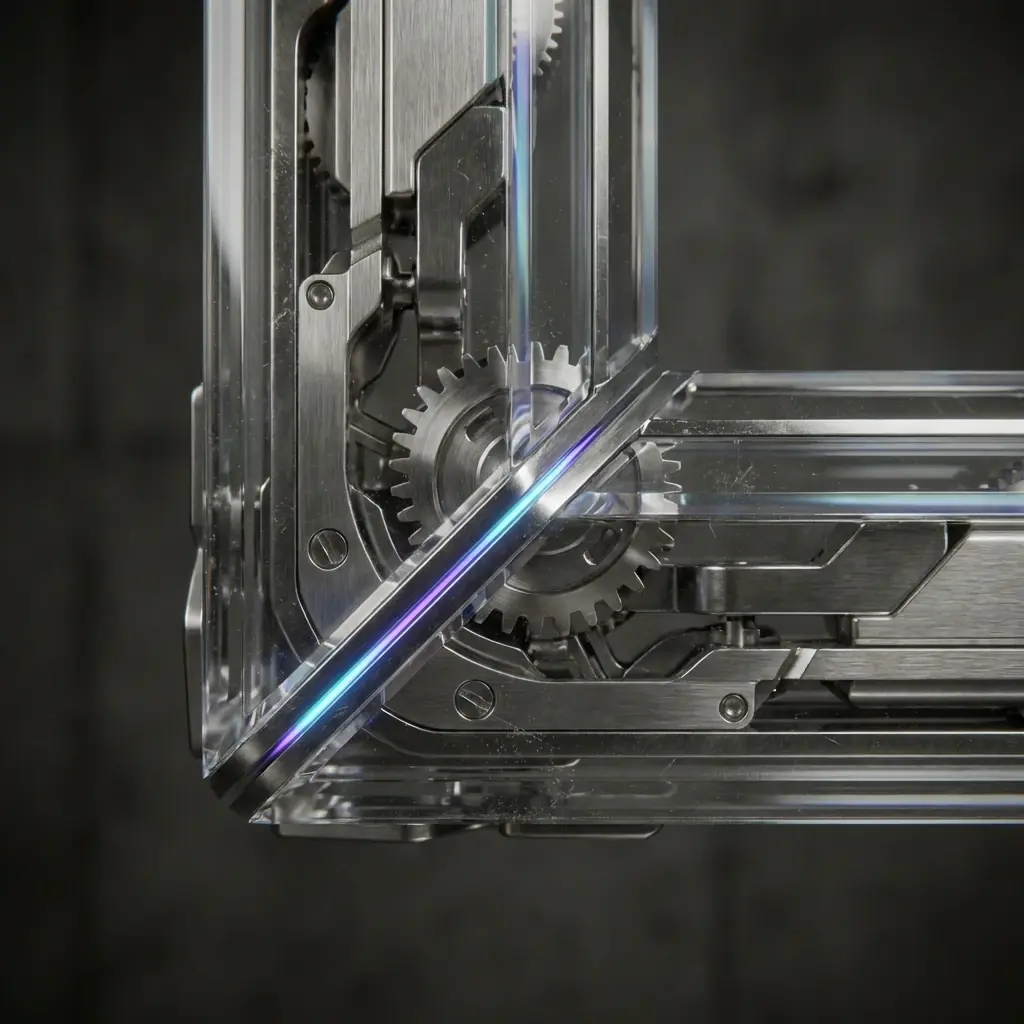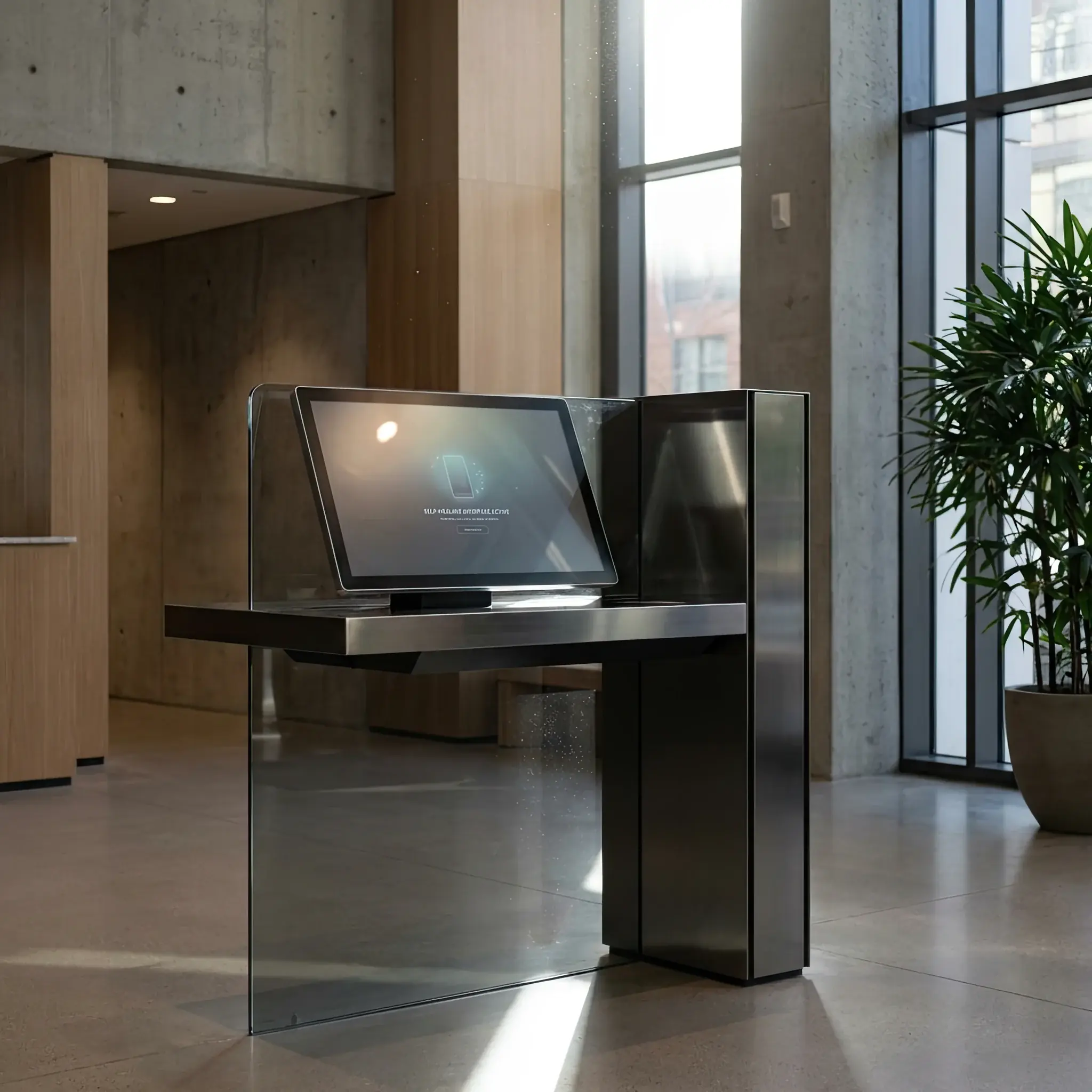
In 2026, the frame has become part of the picture. We present Kinetic Haptic Personalized Gravity-Assist Adaptive Art Frames—the technology of harmonious bordering. At Reception Space, we design lobbies where every interior detail adapts to context. There are no longer static mouldings that clash with modern digital art. Utilizing micro-actuator arrays and variable reflectance surfaces, our frames physically transform, creating an ideal complement to any masterpiece—from classics to meta-art. We explore how living bordering enlivens the canvas.
Physical Mimicry: How a Frame Changes Look
2026 technology is based on the 'Modular-Shift' principle. In a Reception Space lobby, 'Frame-Zen' frames consist of hundreds of movable segments. When a curator changes the exposition on a digital canvas, the frame physically narrows or expands, changes depth and profile. Segment surfaces can imitate any texture—from warm wood to cold liquid metal. The frame doesn't just surround art; it becomes its extension. Design as an endless dialogue.
Gravity Focus: Attention Flow
Utilizing magnetic orientation systems for ideal frame spatial positioning in the hall
In 2026 projects from Reception Space, art floats in space. The 'Gravity-Align' system allows frames to 'float' before the wall, creating a weightlessness effect. Integrated motion sensors track guest position and smoothly change the frame's tilt, ensuring an ideal viewing angle and no glares. You don't just look at a picture; you are inside an ideally tuned visual experience. We design a focus on the beautiful.