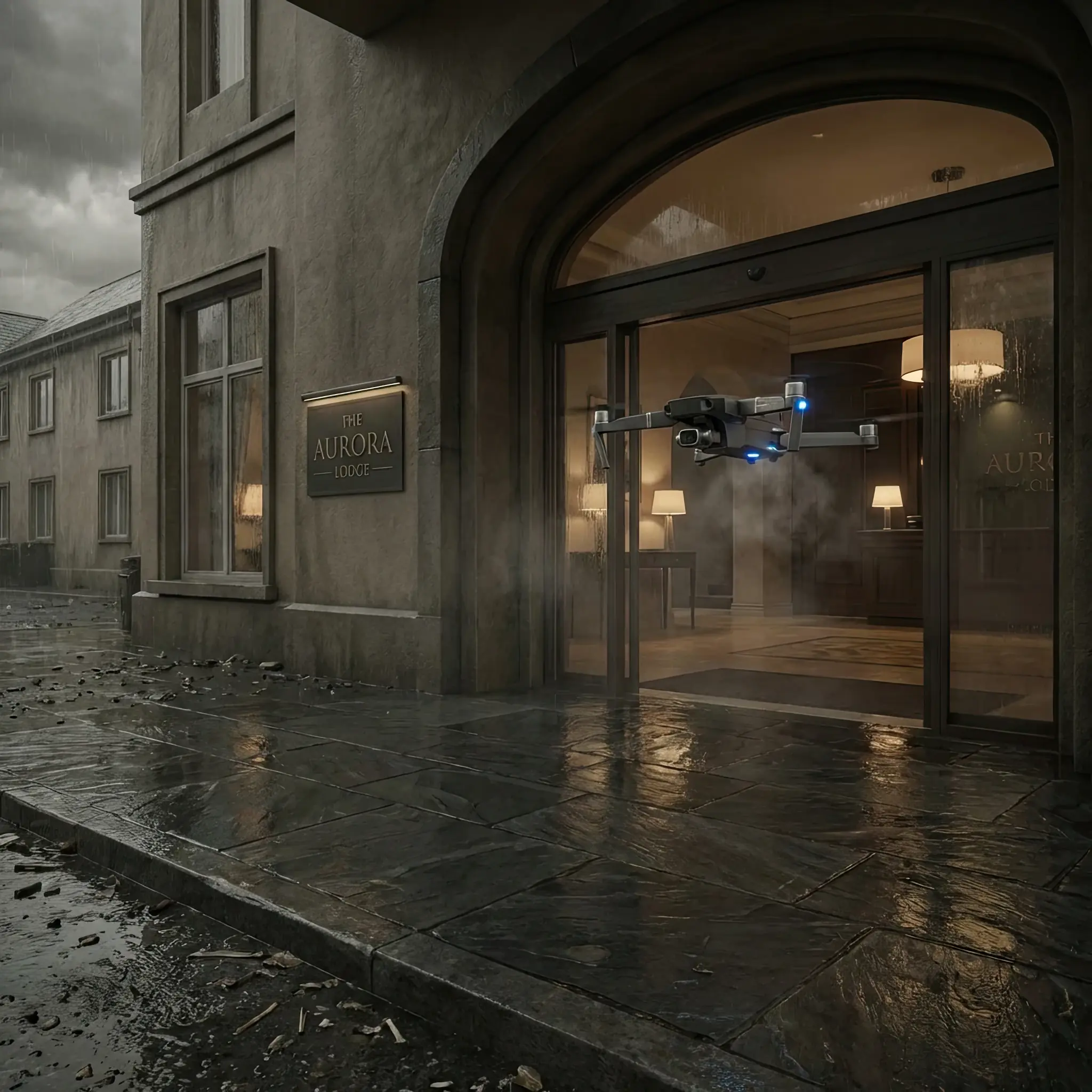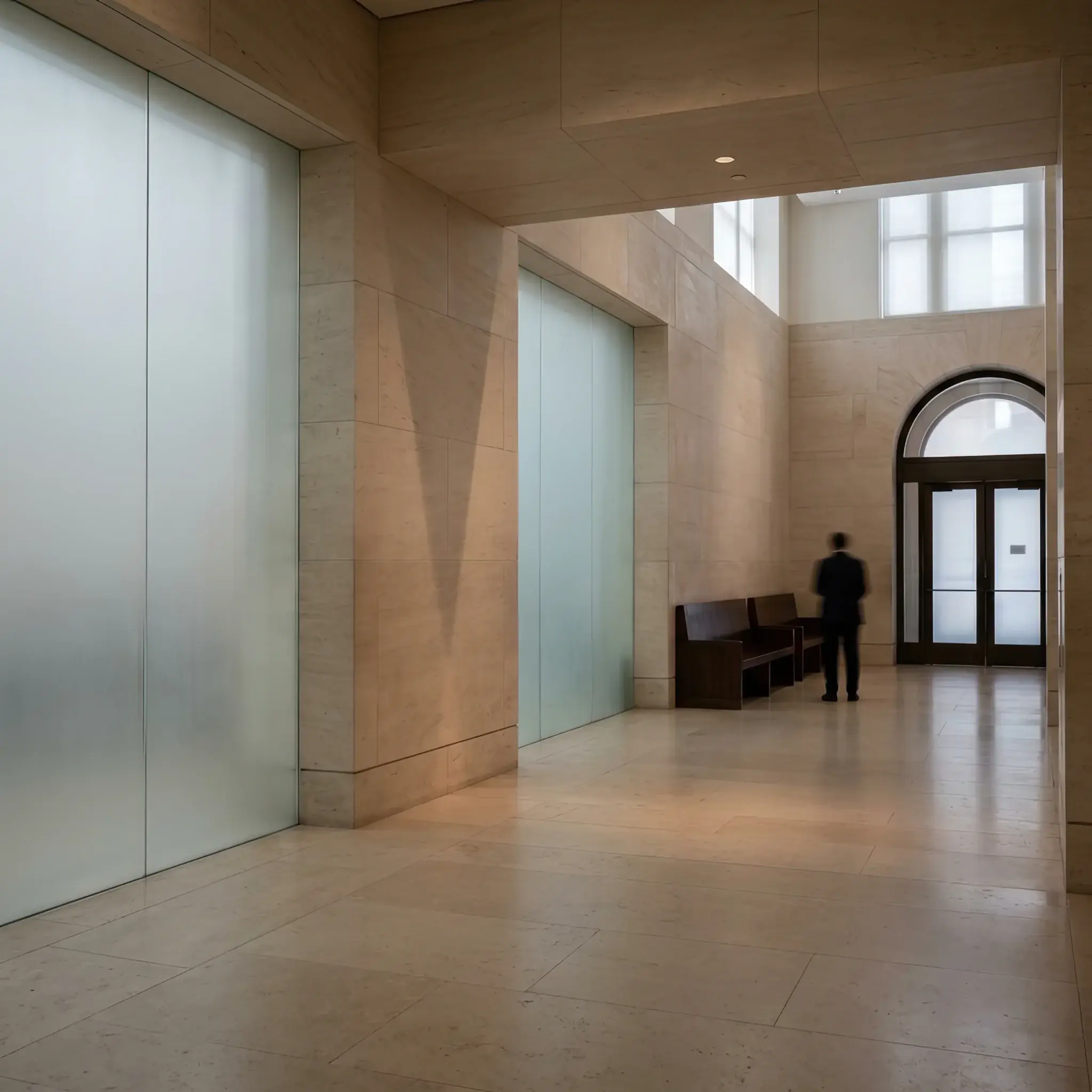
In 2026, design has moved beyond a question of personal taste. The emergence of neuroesthetics—a science at the intersection of cognitive psychology and architecture—has allowed us to design spaces that biologically lower cortisol levels and increase guest trust. We examine how forms, lighting, and fractal patterns in the reception area directly influence your clients' subconscious before they even utter a first greeting.
The Biology of Trust: The First 200 Milliseconds
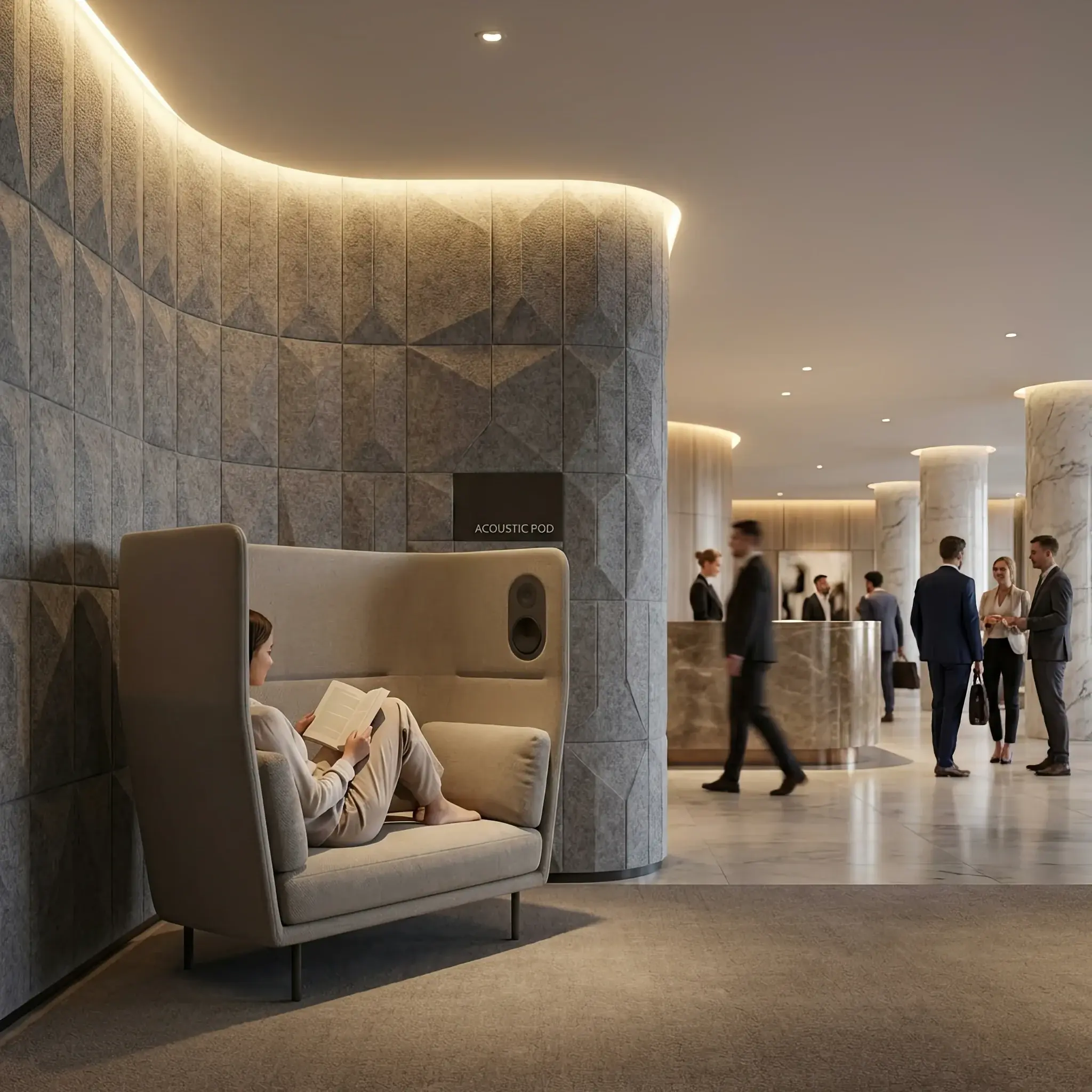
When a guest enters a building, their brain spends less than 200 milliseconds performing a primary assessment of the space's safety and status. We utilize knowledge of 'form curvature'—it is neurobiologically proven that smooth arcs and rounded reception desks activate brain regions associated with safety and comfort, whereas sharp angles can trigger subconscious tension. By designing our solutions this way, we create architectural 'embraces' that immediately dispose the visitor to a constructive dialogue.
Fractal Aesthetics: The Magic of Natural Repetition
Visual comfort through complexity
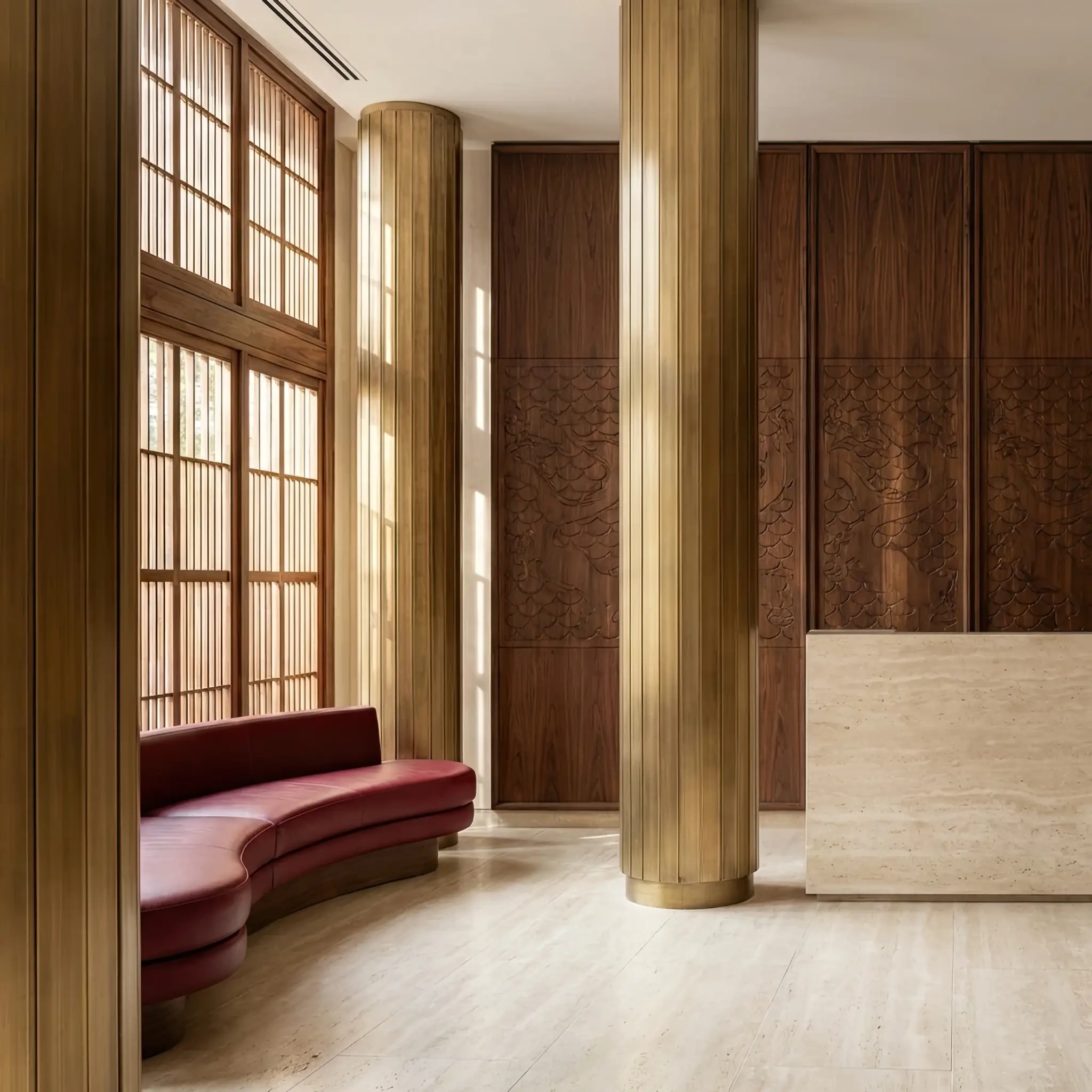
Our brains evolved in natural environments consisting of fractals (self-similar structures). In 2026, we integrate fractal patterns into wall panel finishes and desk facades. Using parametric design allows us to create patterns of medium complexity (D=1.3-1.5), which are perfectly read by the human eye as 'calm' and 'harmonious.' This reduces visual noise and allows the guest to feel focused and calm even in the heart of a bustling metropolis.