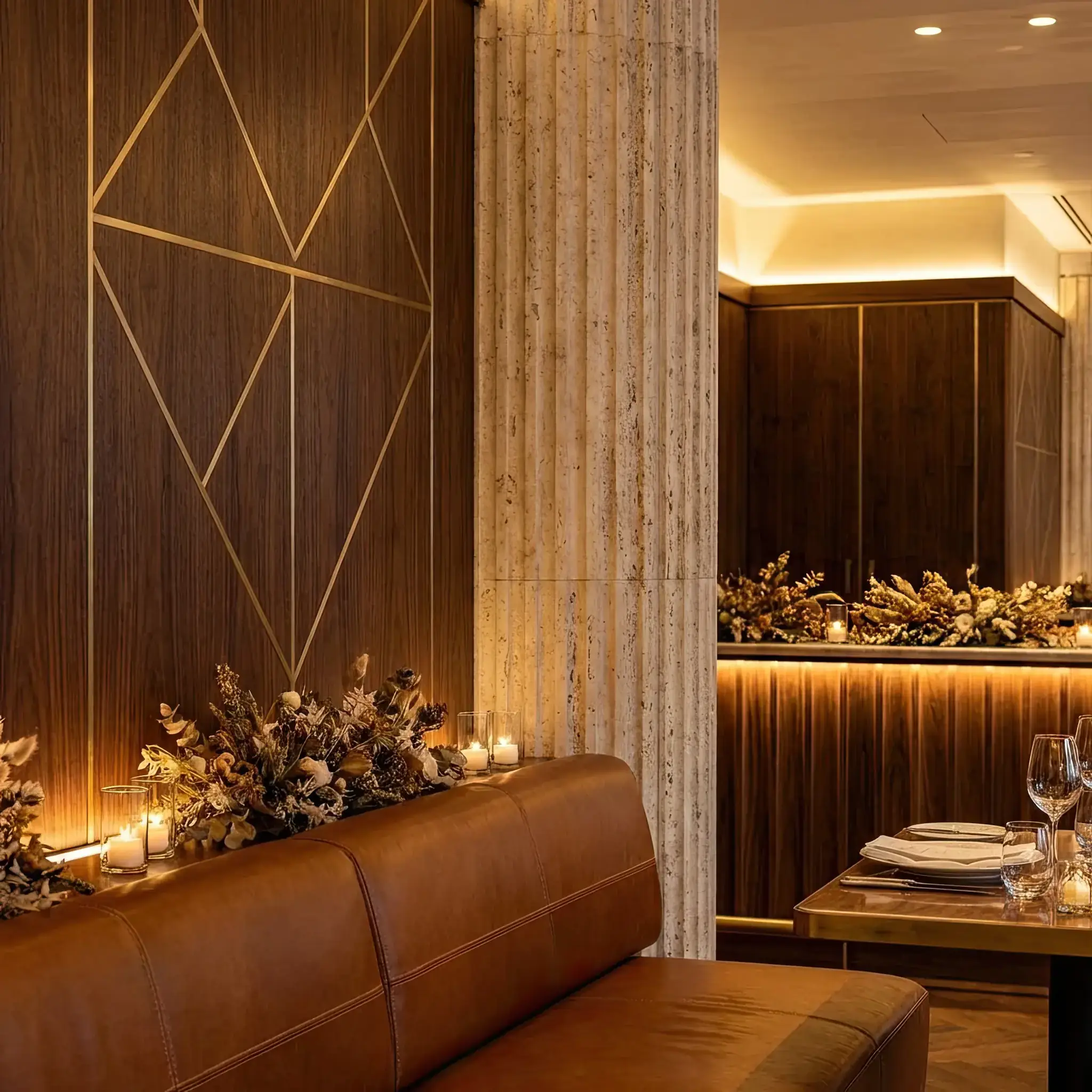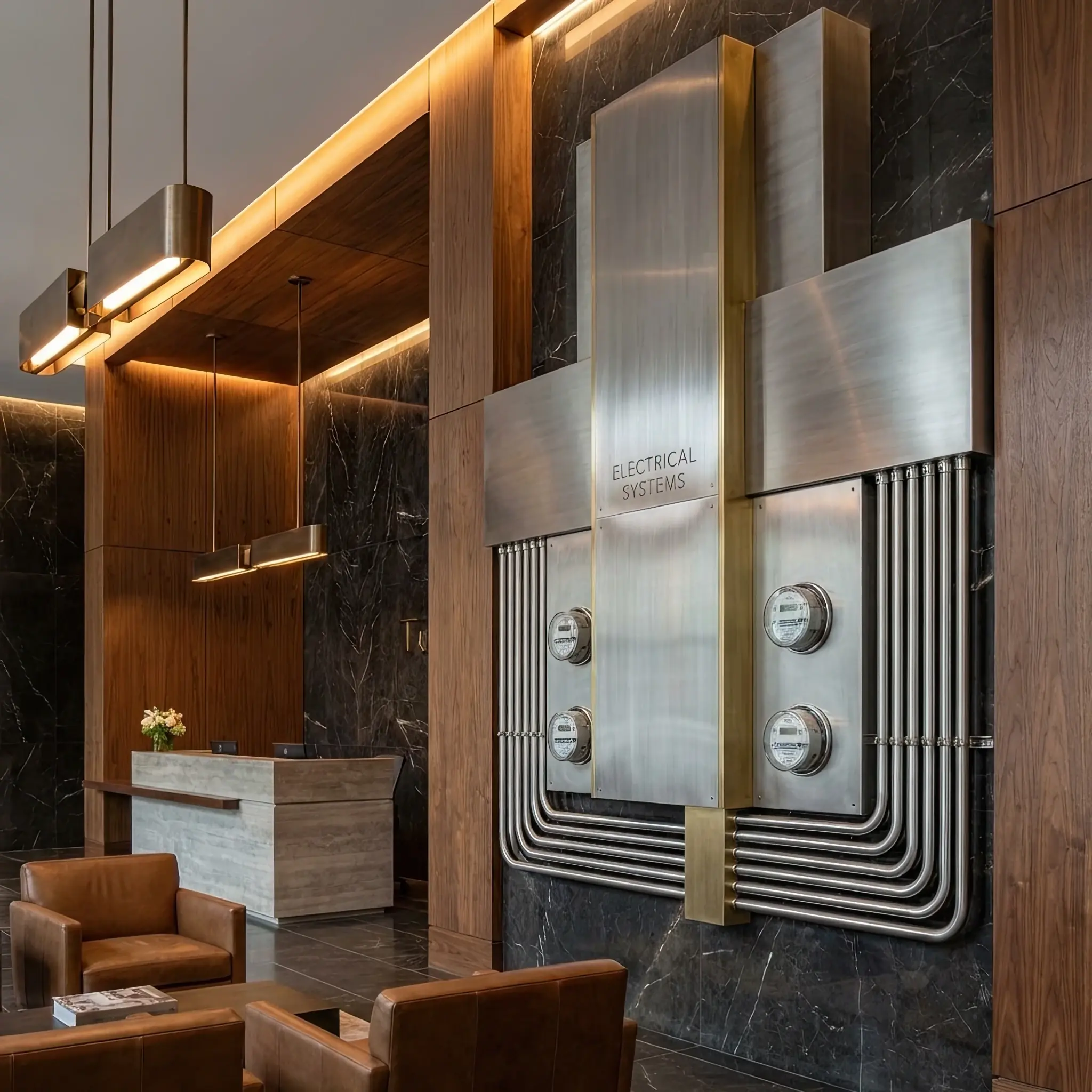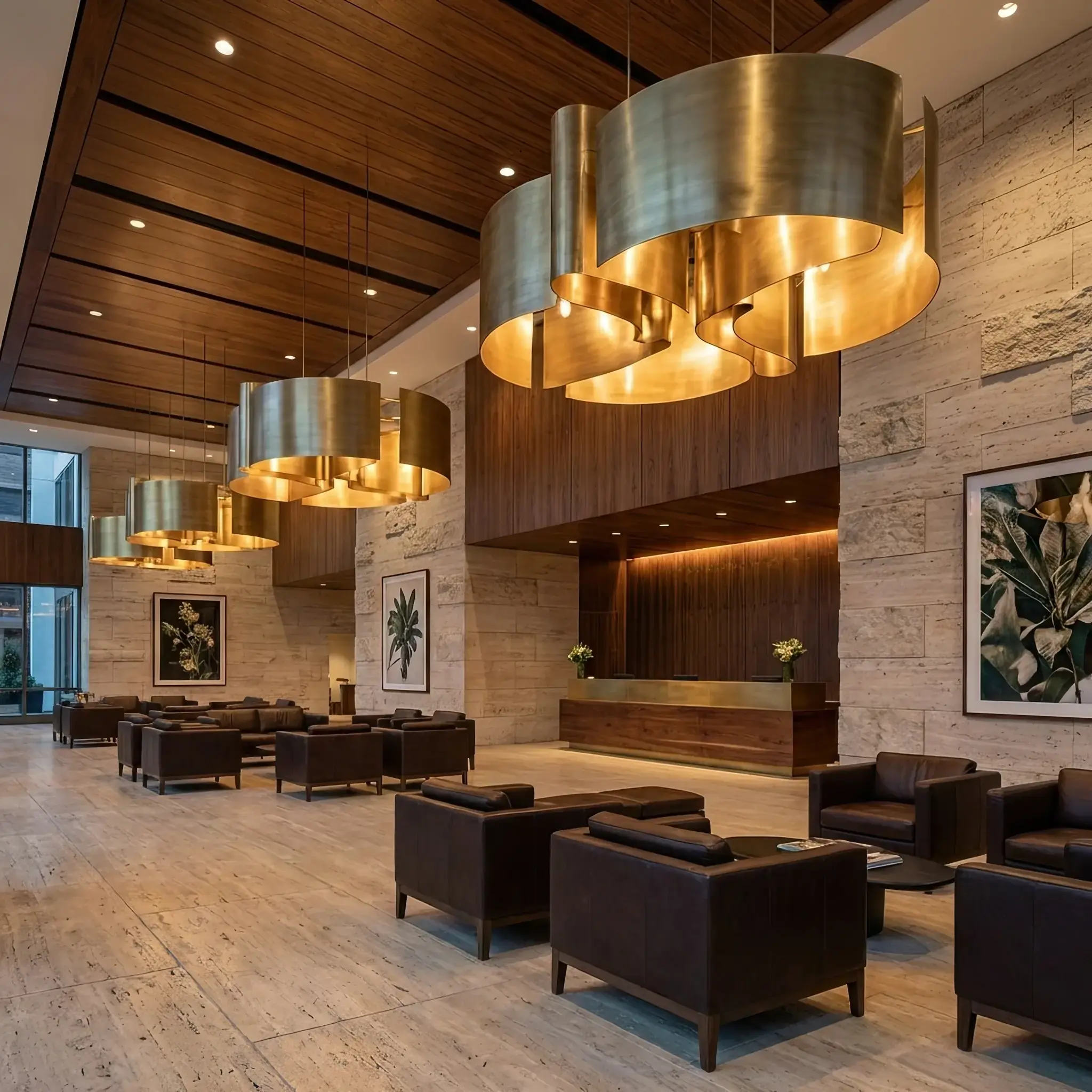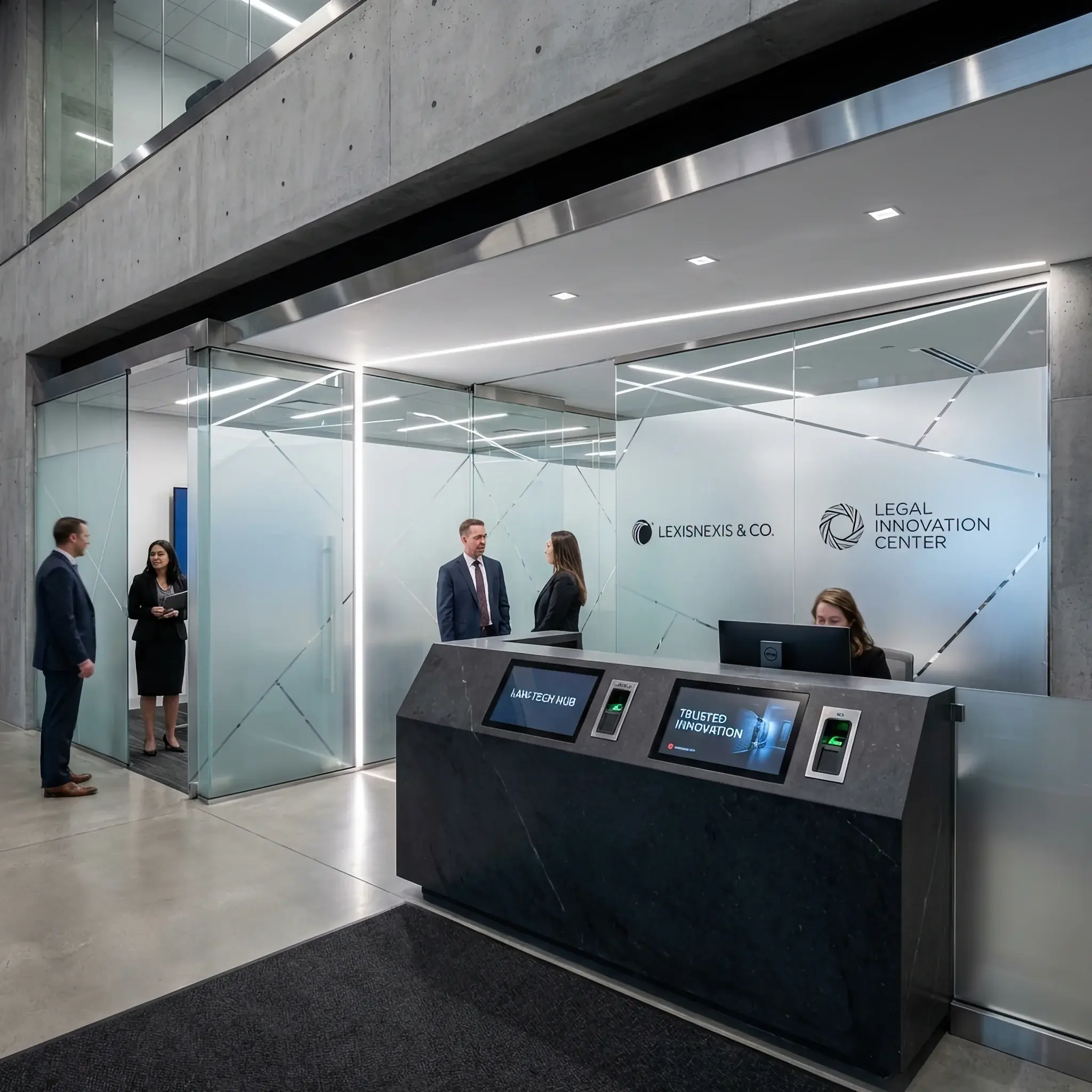
Designer intuition is no longer an argument. In 2026, we design using fMRI scanners and neurobiology data. Neuro-architecture proves: our ancient brain reads sharp angles as a threat, and fractal patterns as safety. We analyze how to apply this knowledge in reception design: why clients buy more in spaces with high ceilings, how wood texture reduces cortisol, and why the 'cathedral effect' works in a bank.
Geometry of Safety: Avoiding Angles
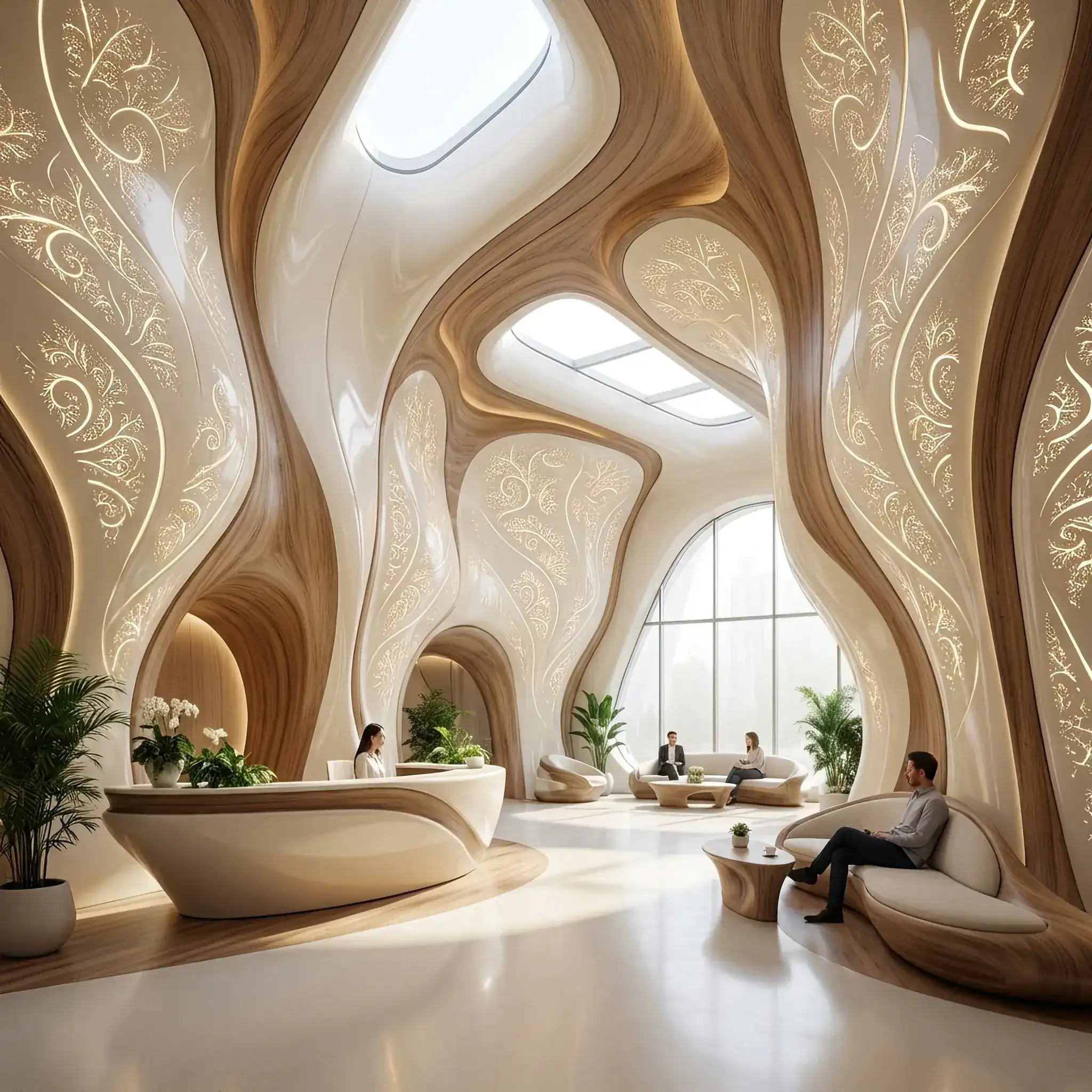
The amygdala activates upon seeing sharp objects. In a neuro-lobby, we round everything. The reception desk is shaped like a pebble or a cloud. This subconsciously signals to the guest: 'It's safe here, relax.' 2026 studies show that in such interiors, perceived wait time is 20% shorter, and aggression levels in dissatisfied clients drop by half.
Fractals and Biophilia
Nature's Mathematics
The human eye evolved scanning complex natural structures (tree crowns, waves). We use stochastic fractal patterns in 3D panels behind the reception. This is 'visual massage' for the brain. The gaze glides over the pattern, entering an alpha rhythm state (relaxed wakefulness). This is critical for medical clinics and high-stress zones (airports, courts).