In 2026, windows have ceased to be the 'weak link' of the facade. We present Energy-Efficient Vacuum Glazing—technology that transforms a lobby into a highly efficient thermos. At Reception Space, we use glazing units where deep vacuum resides instead of gas. At just 10 mm thick, such a window holds heat better than a meter-thick brick wall. This is a revolution in transparent architecture. We explore how the void inside the glass saves millions on heating and cooling.
The Power of the Void: Beyond Argon
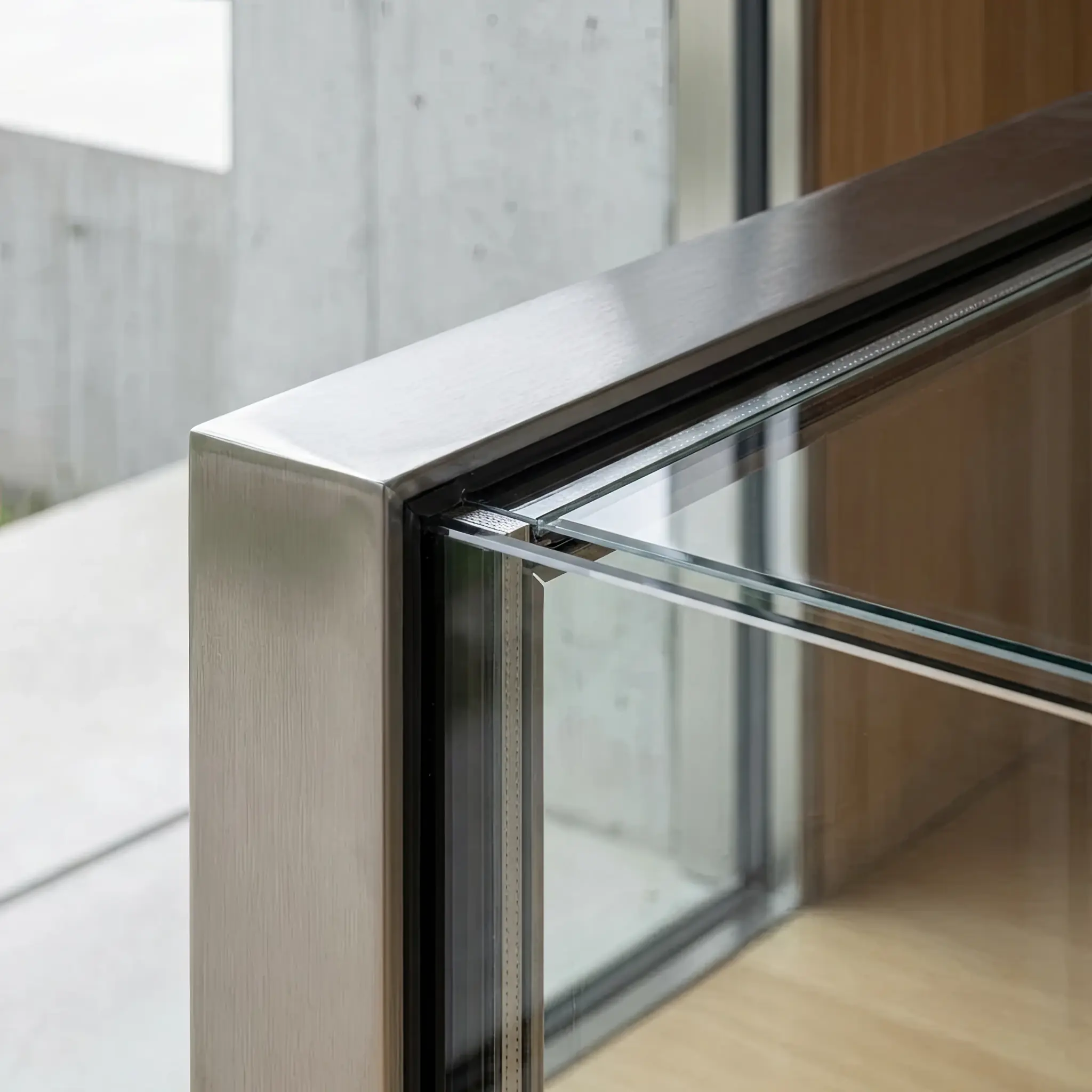
2026 technology allows for creating a vacuum layer just 0.1 mm wide between two sheets of glass. In a Reception Space lobby, this solution replaces bulky triple-pane units. The absence of gas molecules eliminates heat transfer via convection. Windows become an absolute barrier to winter cold and summer heat. This enables the design of huge atriums with panoramic glazing without worrying about heat loss or massive electricity bills.
Acoustic Vacuum: Silence in the City Center
Sound has nothing to travel through
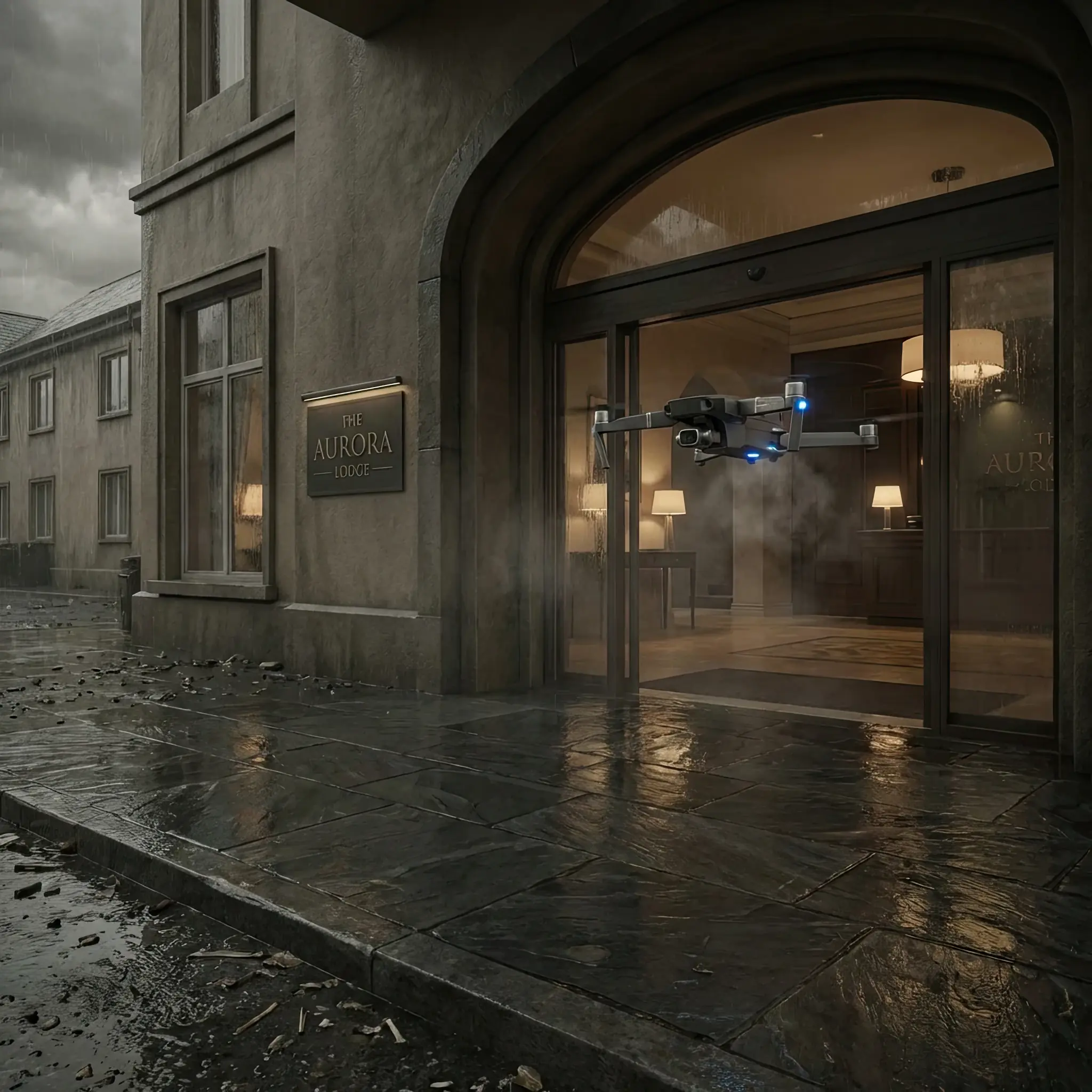
One of the key advantages of vacuum glass in 2026 projects is its phenomenal sound insulation. At Reception Space, such windows cut out up to 50 dB of urban noise. Since sound does not propagate in a vacuum, a roaring thoroughfare or a construction site outside becomes a silent movie. Your lobby becomes an oasis of calm, where only soft jazz and quiet conversation are heard, even if the building stands on a megacity's busiest square.