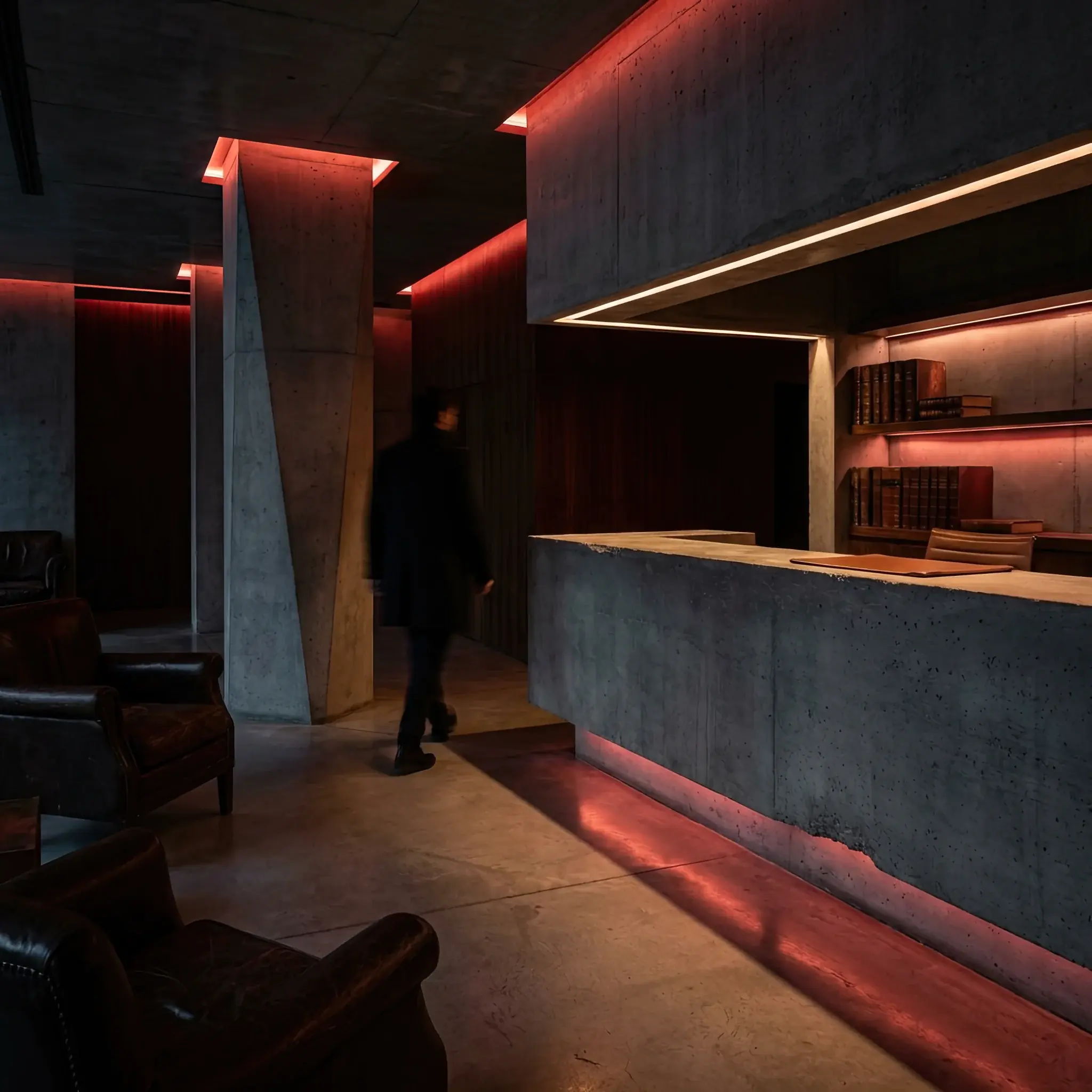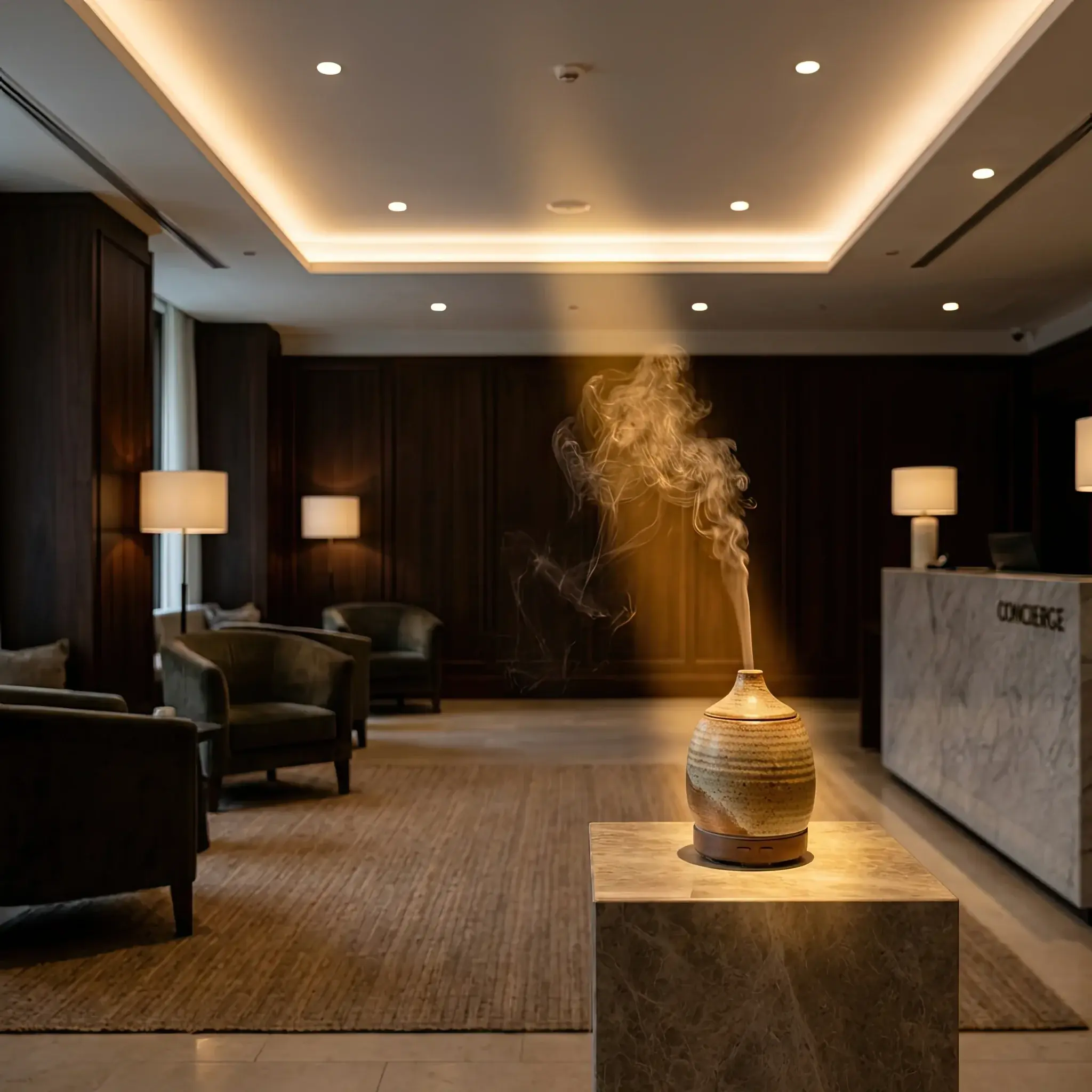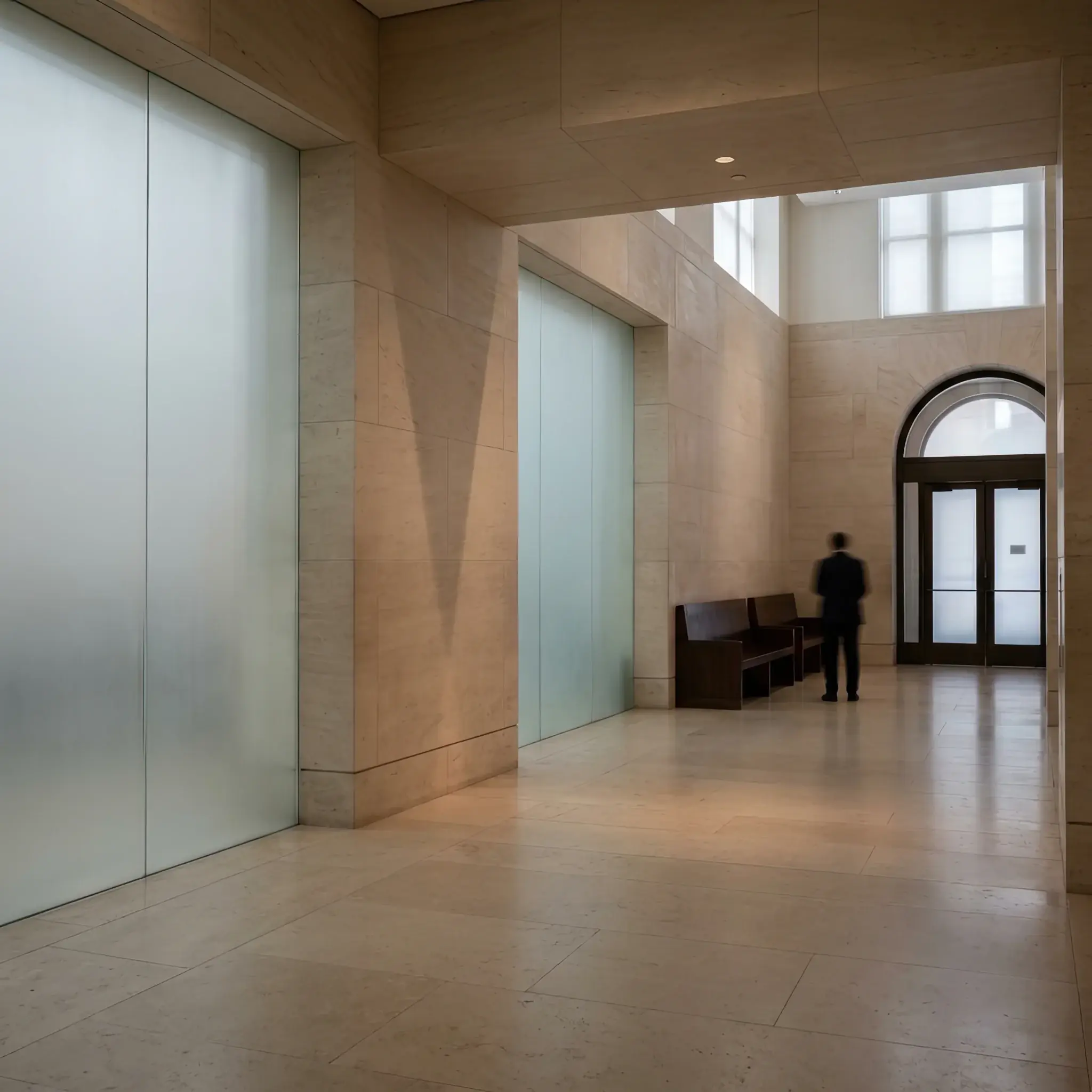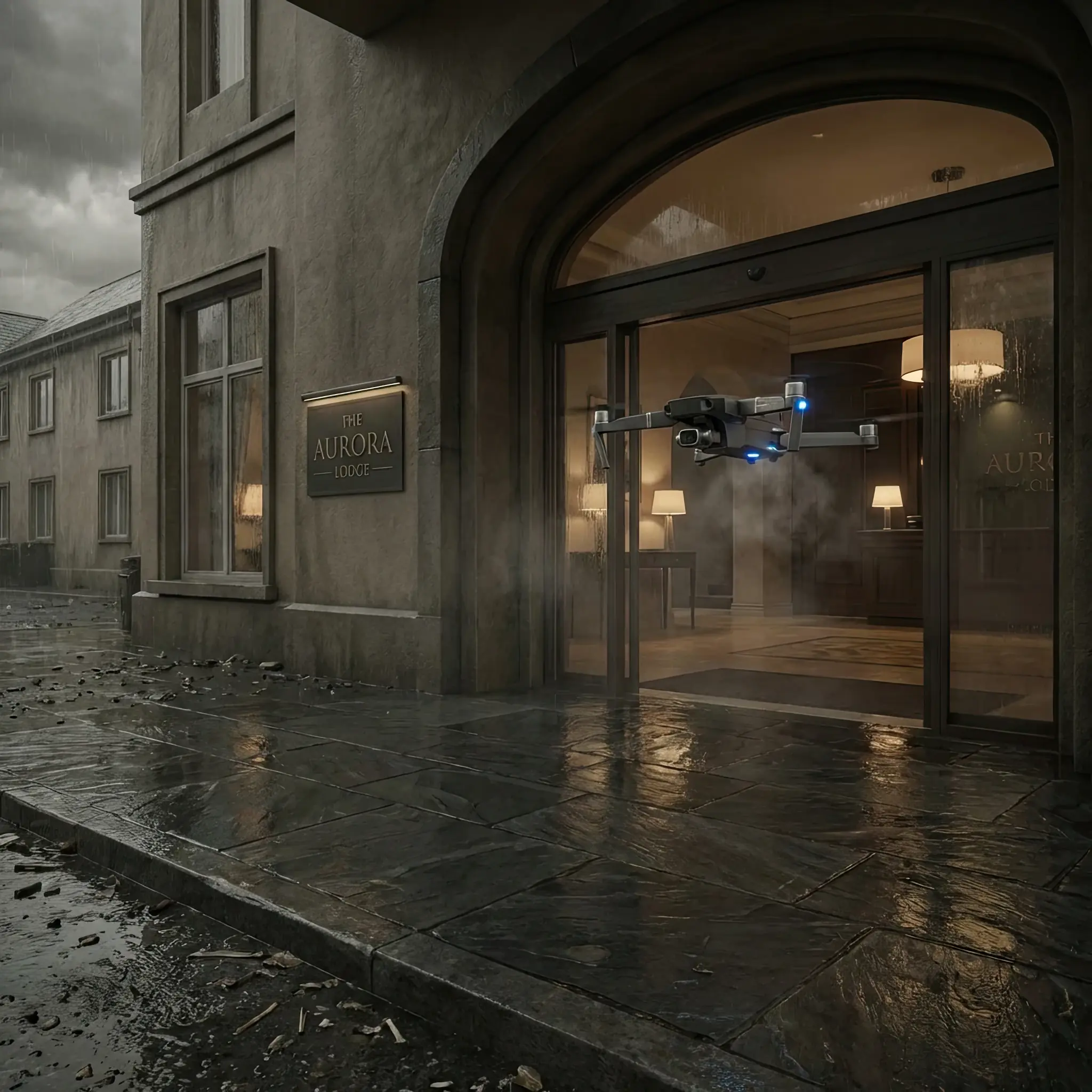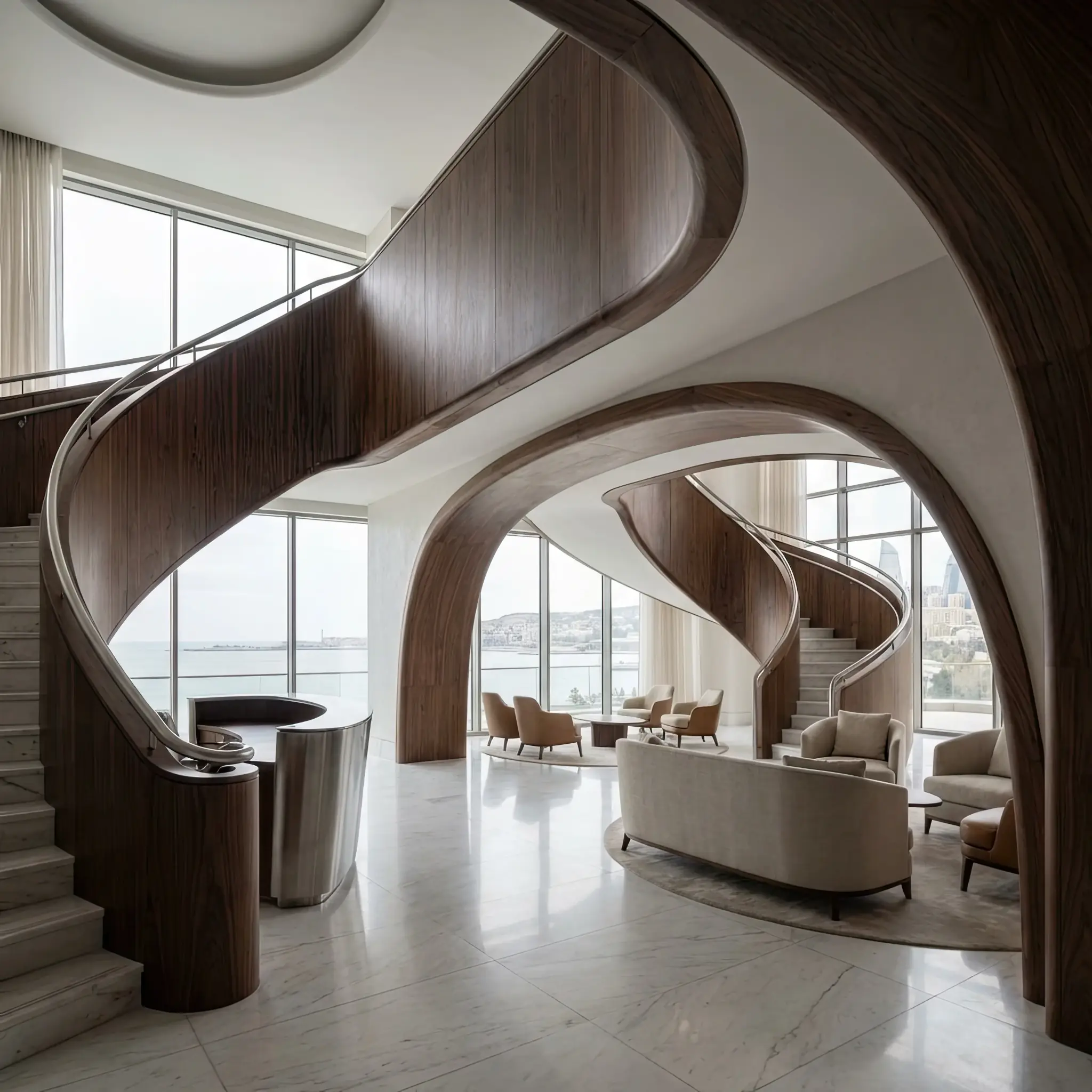
Baku in 2026 is a city where architecture flows. The influence of the Zaha Hadid-designed Heydar Aliyev Center has expanded far beyond a single building, shaping a unique 'Azerbaijani Parametricism' in interior design. Today, Baku's lobbies are spaces without sharp corners, where boundaries between floors, walls, and furniture blur. We examine how to design reception desks with complex double-curvature, why Azerbaijan chooses aerospace-grade composites, and how the 'flame' aesthetic of the Flame Towers is reflected in modern hall lighting scenarios.
Parametric Breakthrough: Furniture as Sculpture
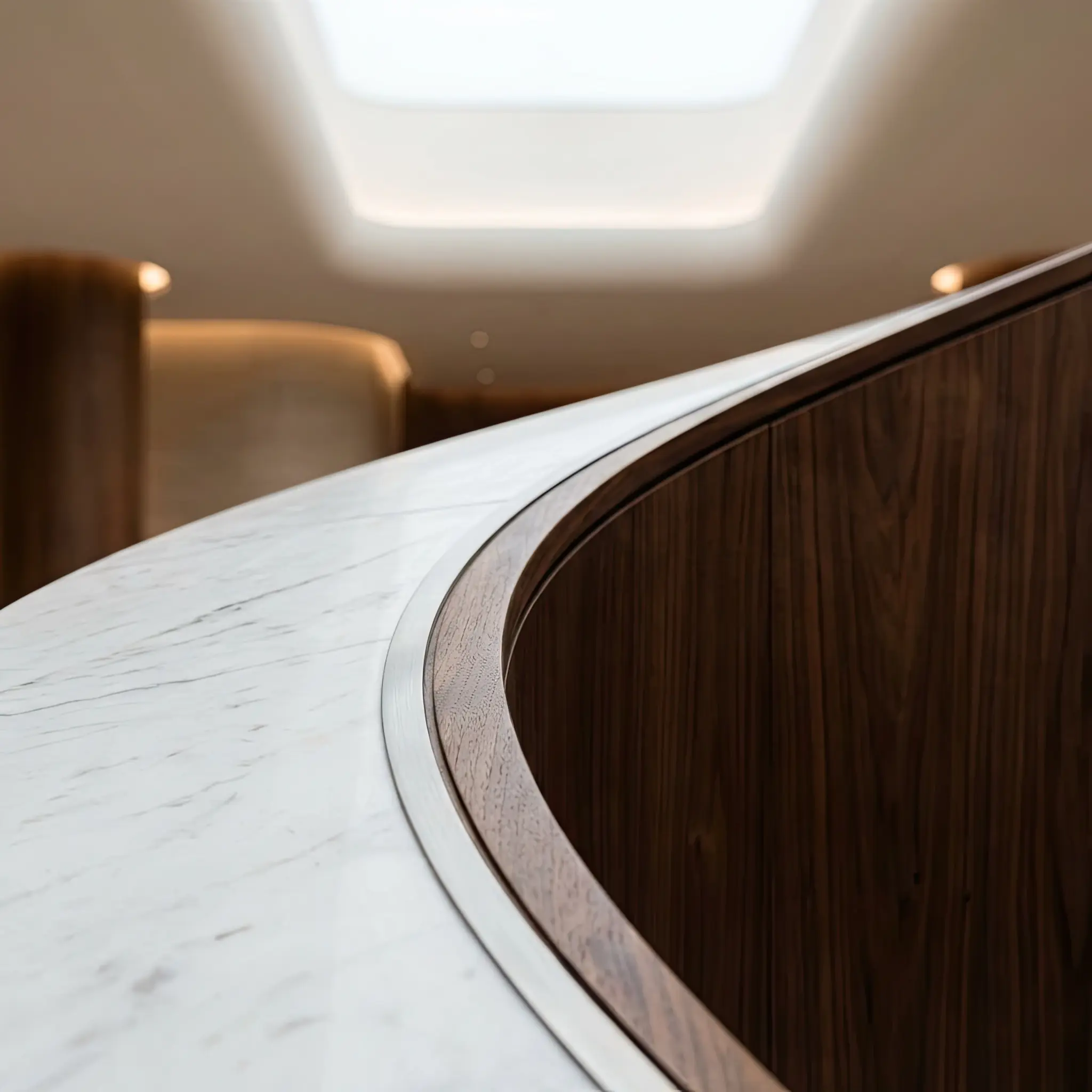
In Baku 2026, a reception isn't a piece of furniture; it's a frozen wave. We use algorithmic design methods (Grasshopper, Rhino) to create forms impossible to draw by hand. The main challenge is seamlessness. We apply acrylic stone with hidden glue joints and multi-layer automotive lacquering to achieve a 'liquid plastic' effect. Such a desk becomes a focal point, highlighting Baku's status as the Caspian region's innovation hub.
Materials of the Future: From Carbon to Onyx
Technological Brilliance
Azerbaijani business values visual power. In 2026, the trend is finishing reception facades with carbon fiber and using 'smart' glass with variable transparency. However, the love for tradition remains: we often integrate ultra-thin slices of natural Azerbaijani stone, backlit from within, into futuristic forms. This union of technology and nature creates the unmistakable Baku Style — expensive, technological, and deeply individual.