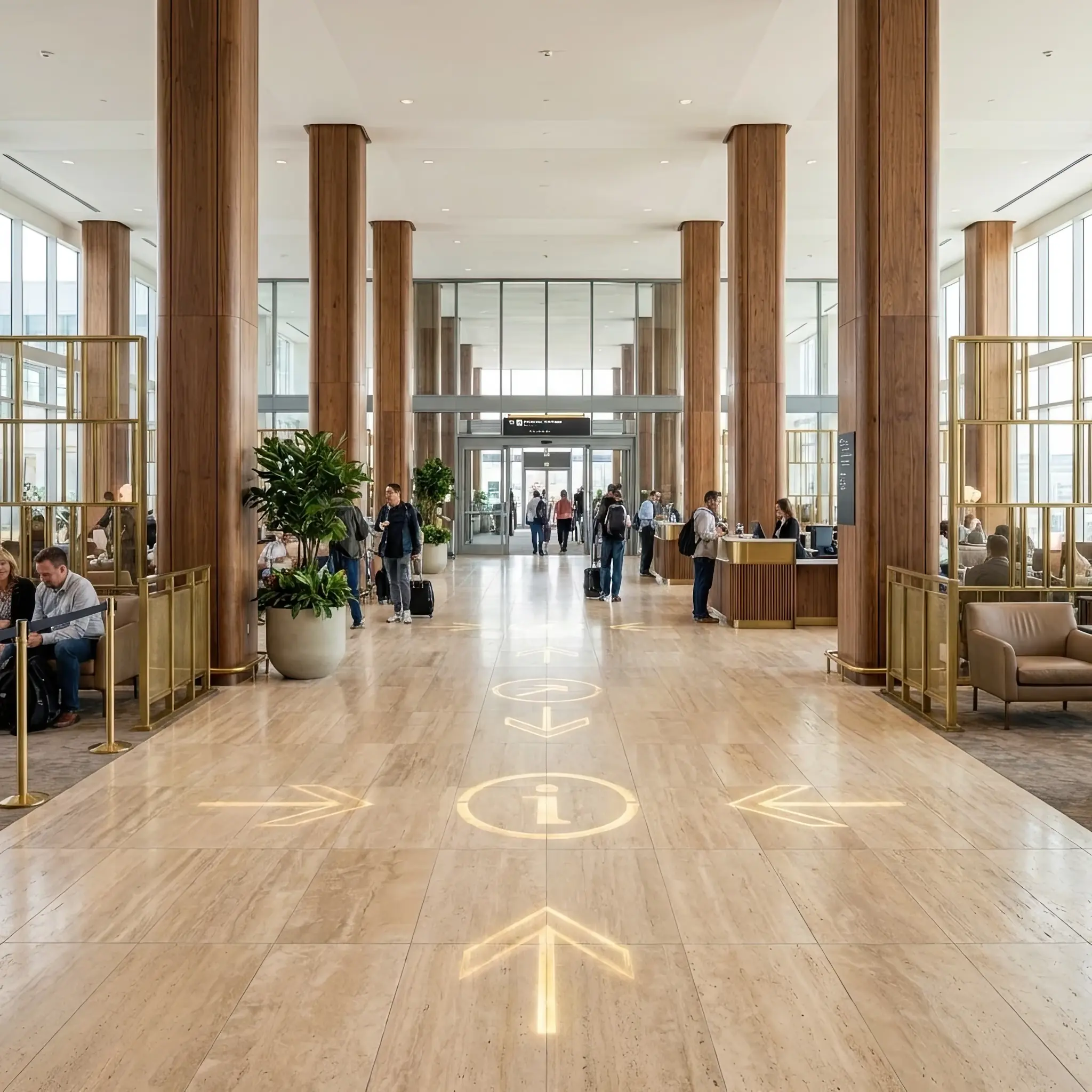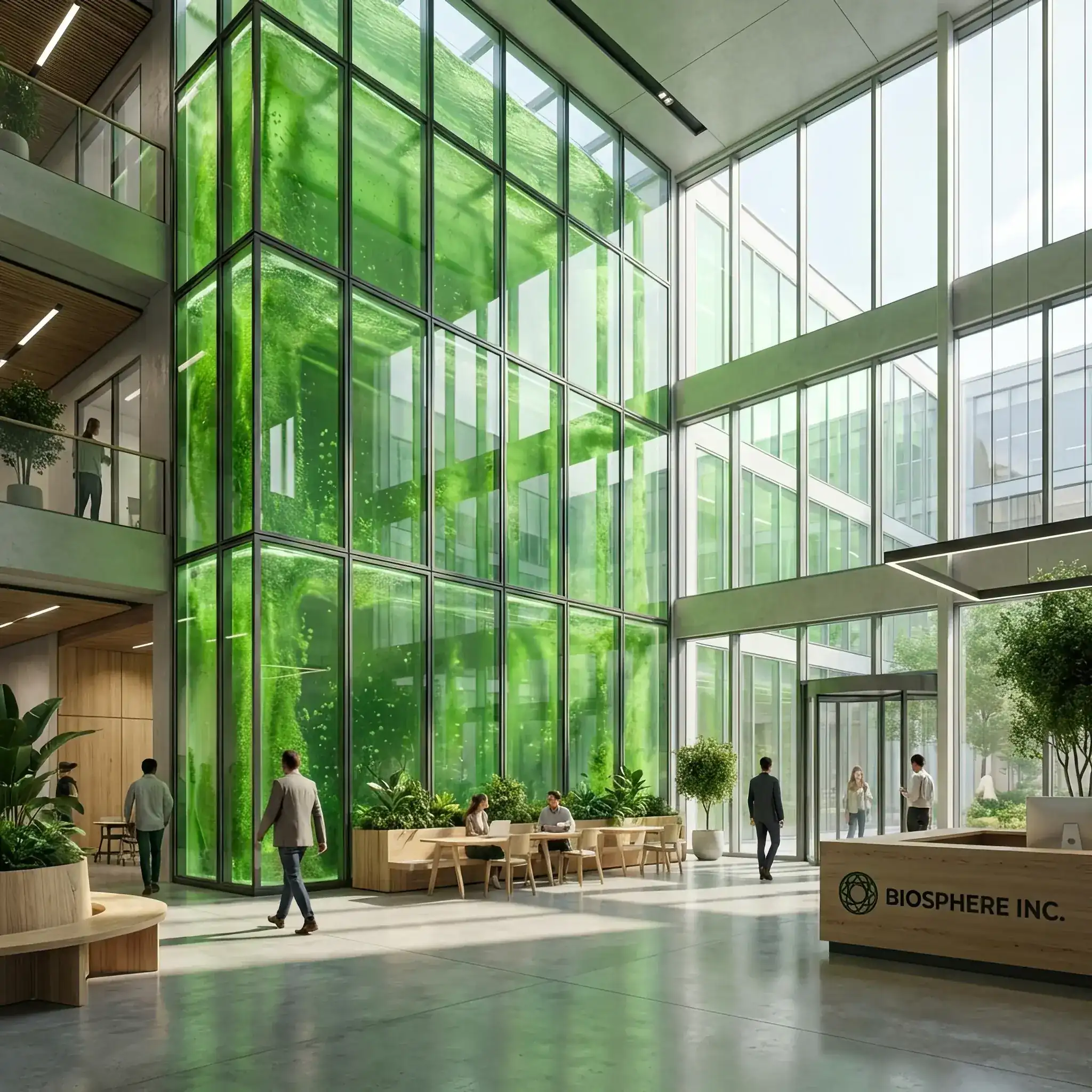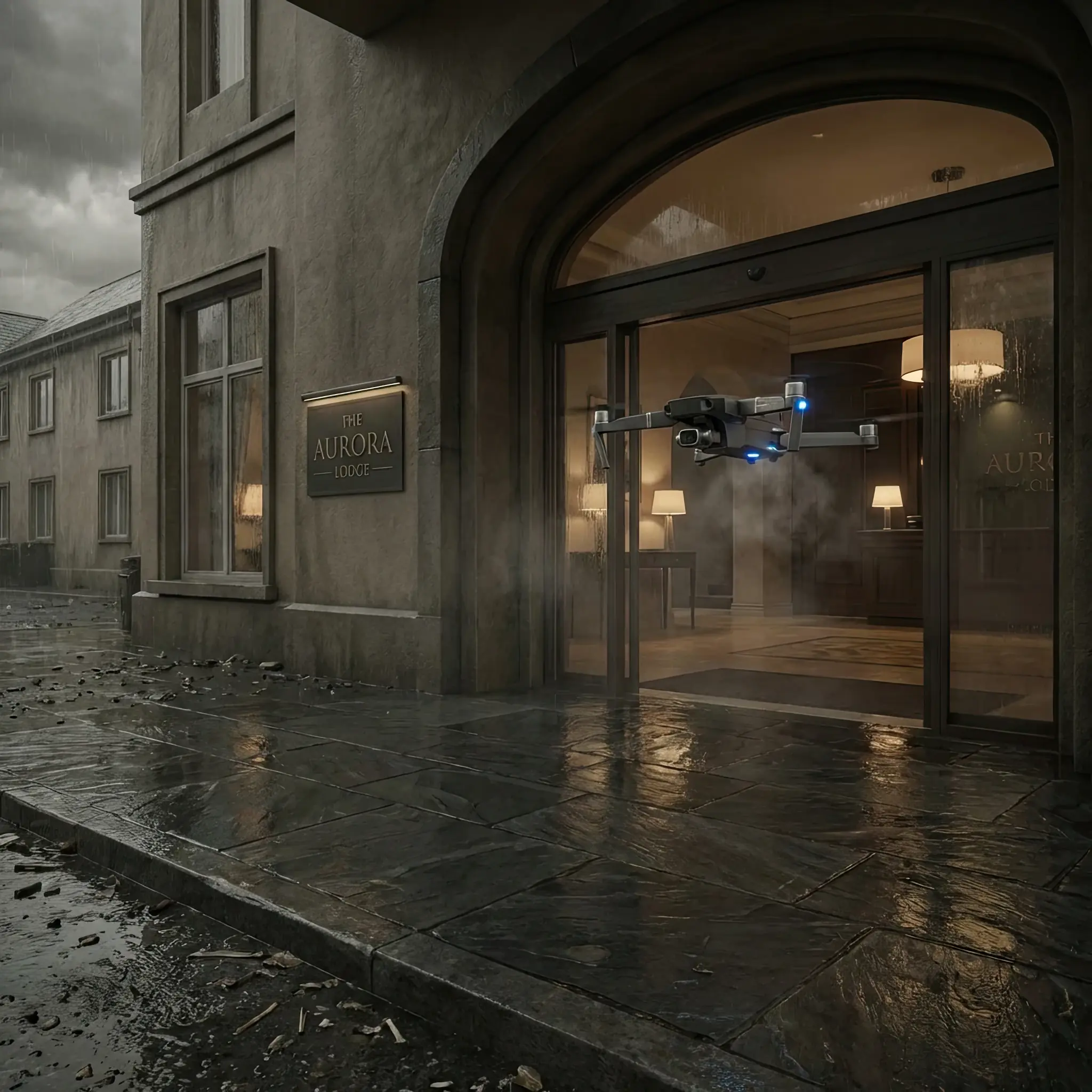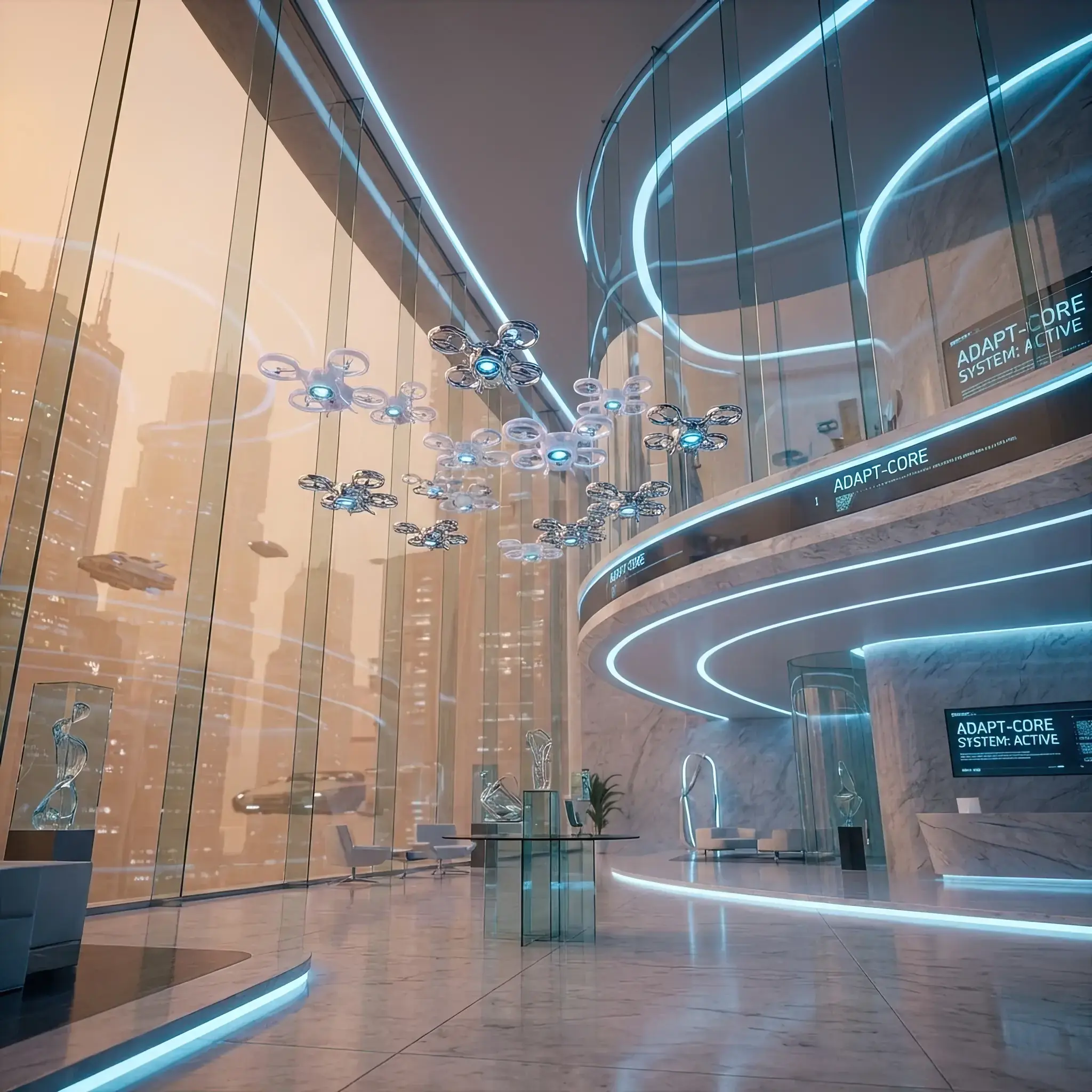
In 2026, buildings have learned to heal their wounds. We present Autonomous High-Precision Robotic Structural Crack Repair Drones—the technology of architectural regeneration. At Reception Space, we design lobbies that maintain strength for centuries without capital repairs. Forget about scaffolding and dusty works. Our 'injection' type micro-drones find the smallest defects in concrete, stone, or metal and instantly restore their structure with nano-reinforced compounds. We explore how robot surgeons guard the building's skeleton.
Micro-Injection: How a Drone Heals Concrete
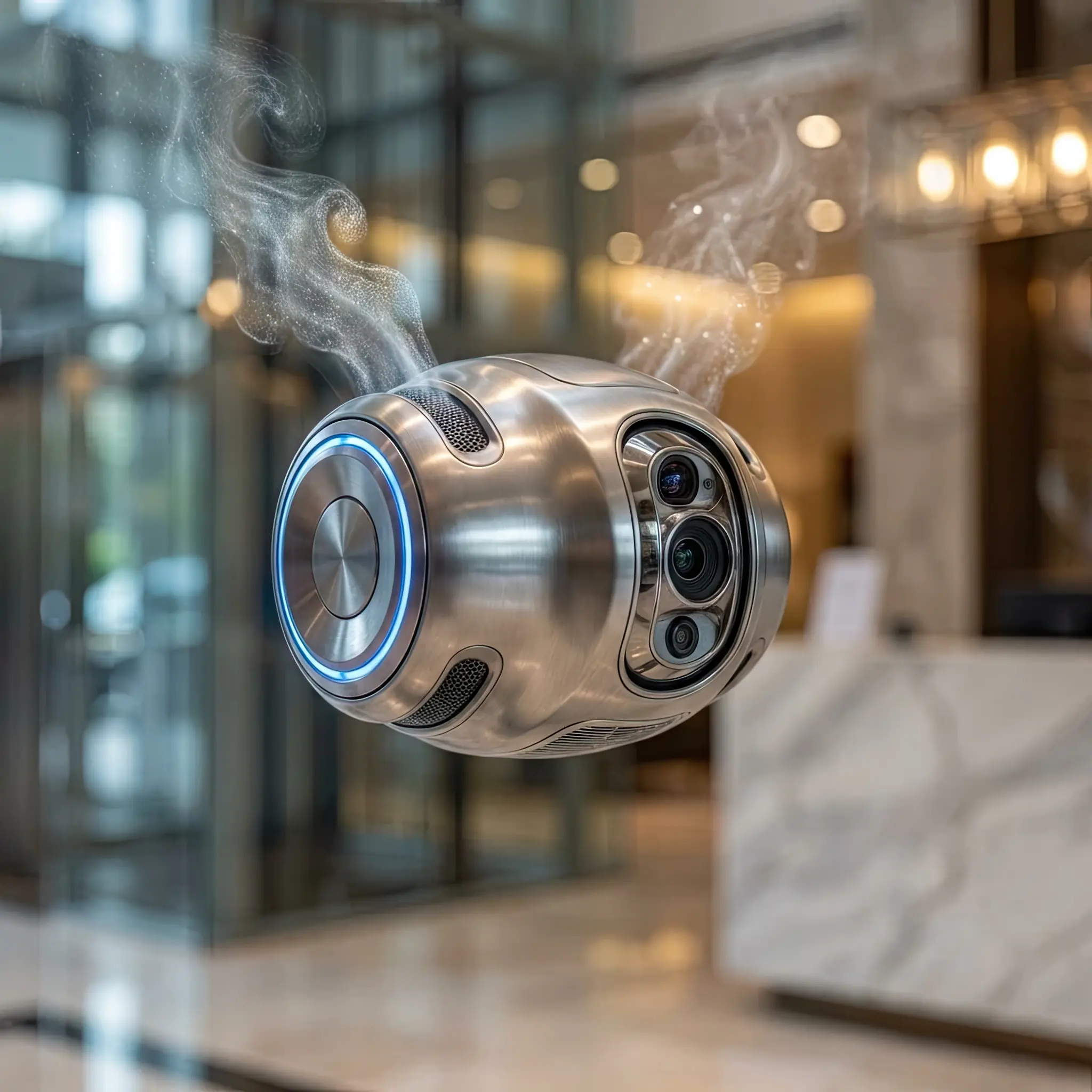
2026 technology is based on a combination of laser scanning and additive manufacturing. In a Reception Space lobby, 'Build-Fix' drones react to signals from inspection drones. The device hovers before a crack, cleans it with a directed compressed air stream, and fills it layer-by-layer with 'synthetic bone'—a polymer that's stronger than the original after curing. Repair happens on the fly without attracting guest attention. Architecture that knows no fatigue.
Nano-Reinforcement: Repair Stronger Than the Base
Utilizing carbon nanotubes in repair compounds to restore bearing capacity
In 2026 projects from Reception Space, repair is not masking but reinforcement. 'Strong-Hold' drones use compounds that bond with the column or wall base at a molecular level. This allows for not just closing a lobby crack but preventing its further development. The building constantly renews its most loaded nodes, becoming only more reliable with years. We design a constant-strength standard. Structures with unlimited resource.