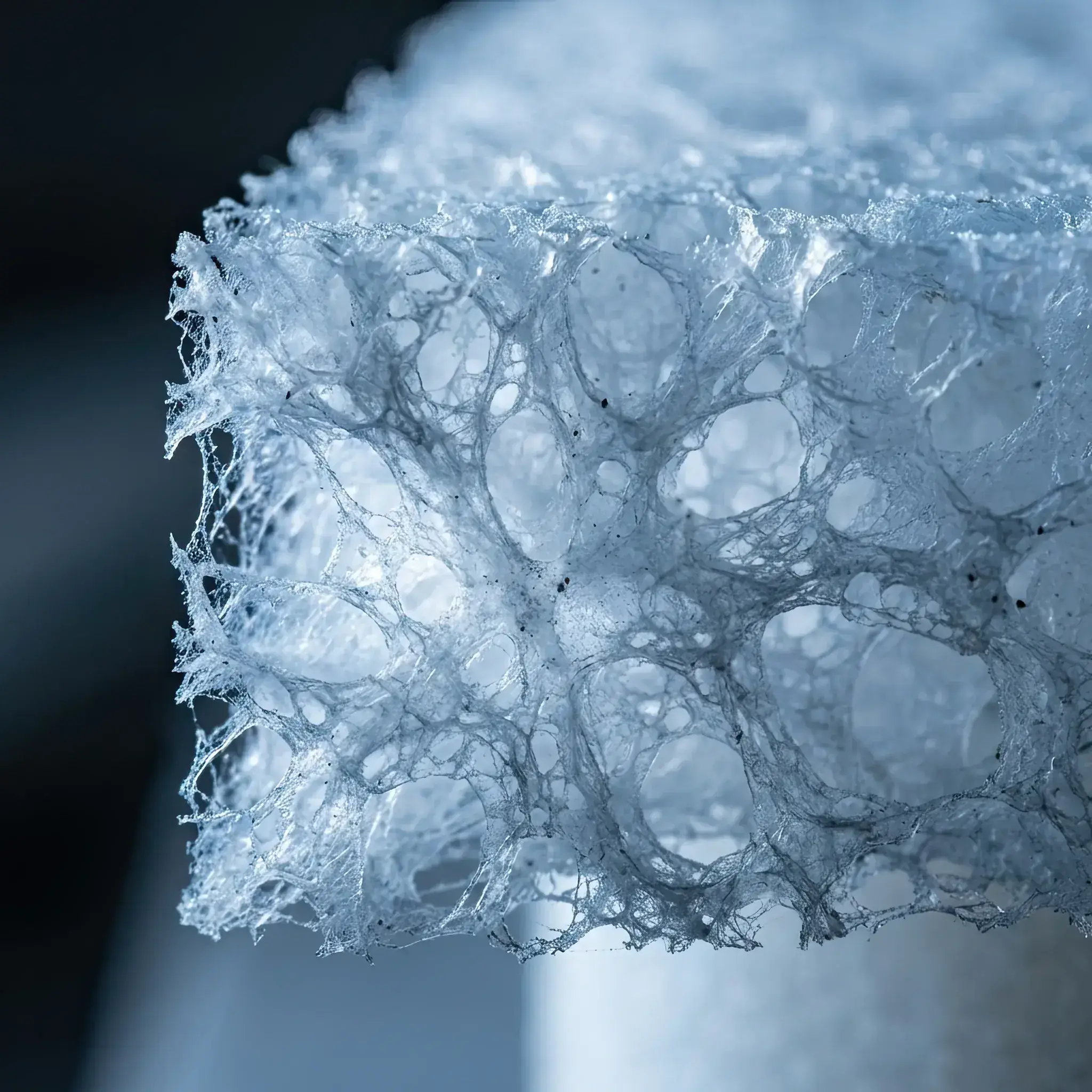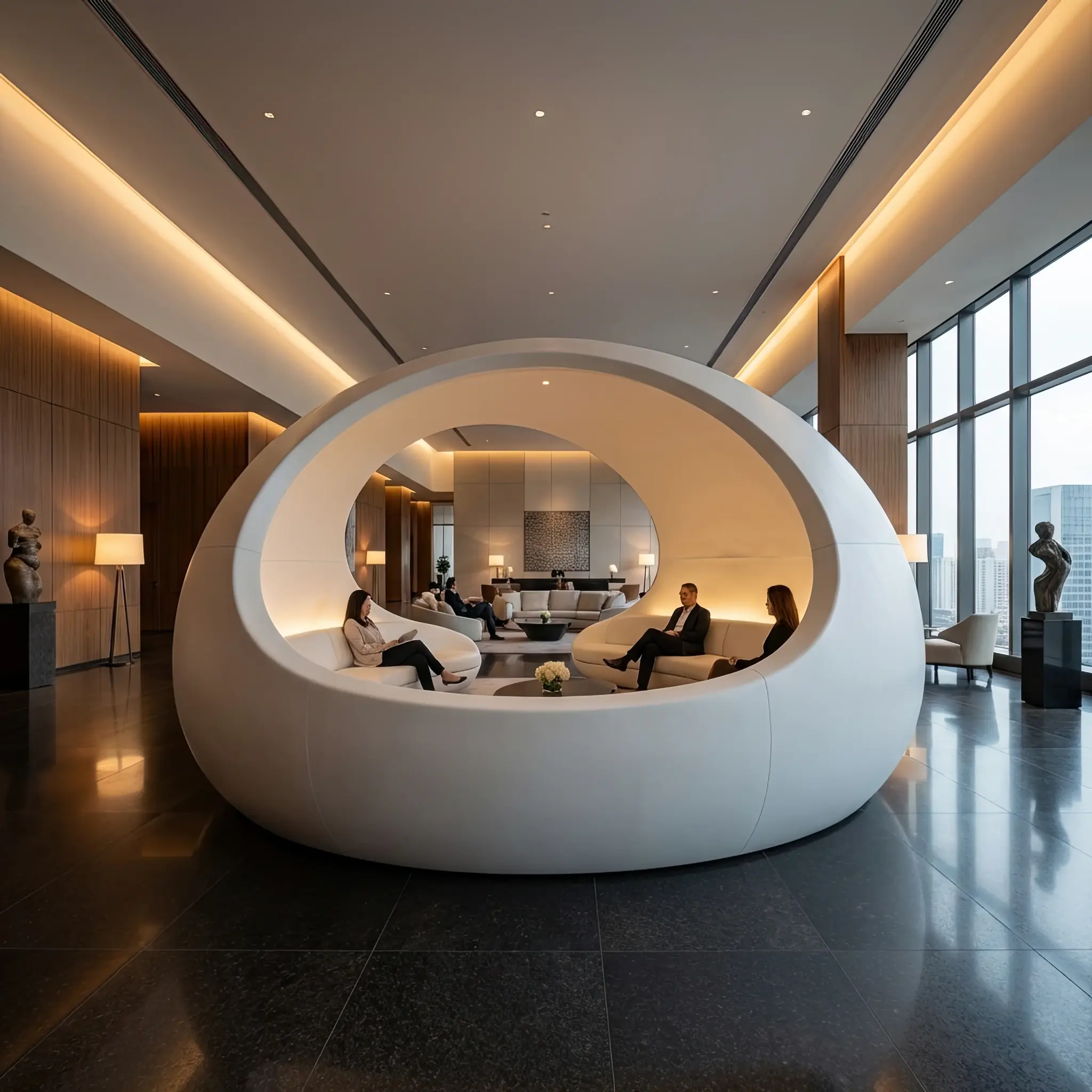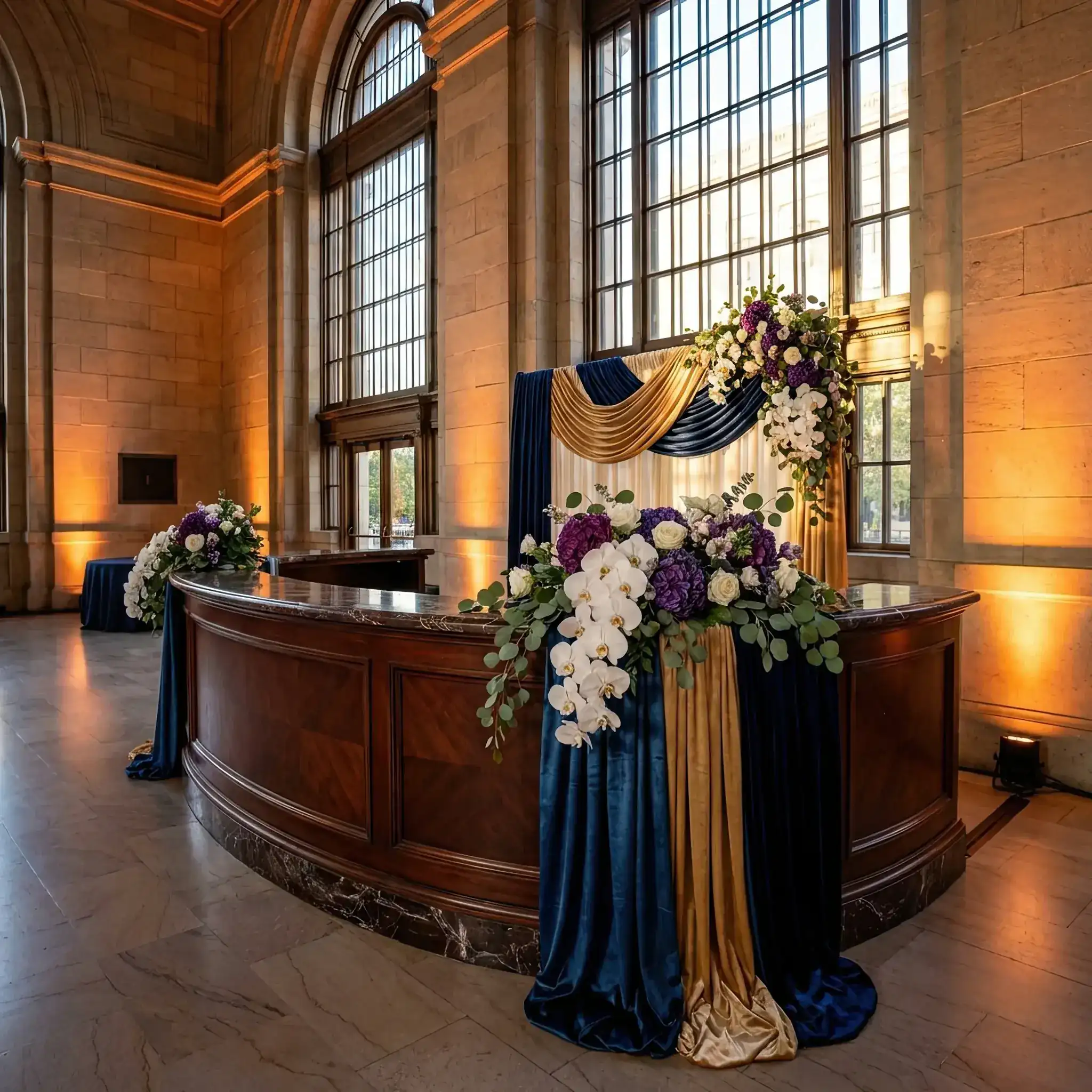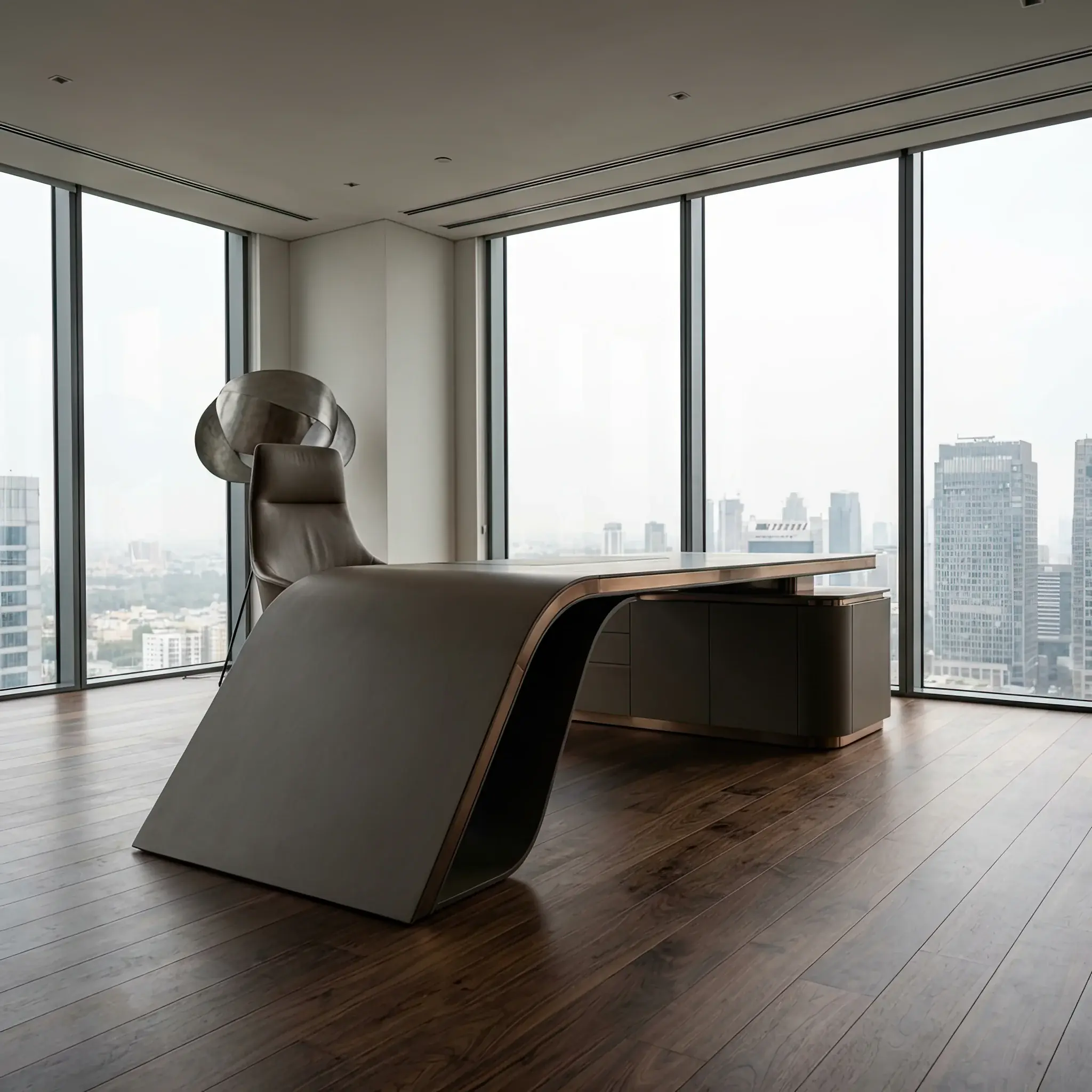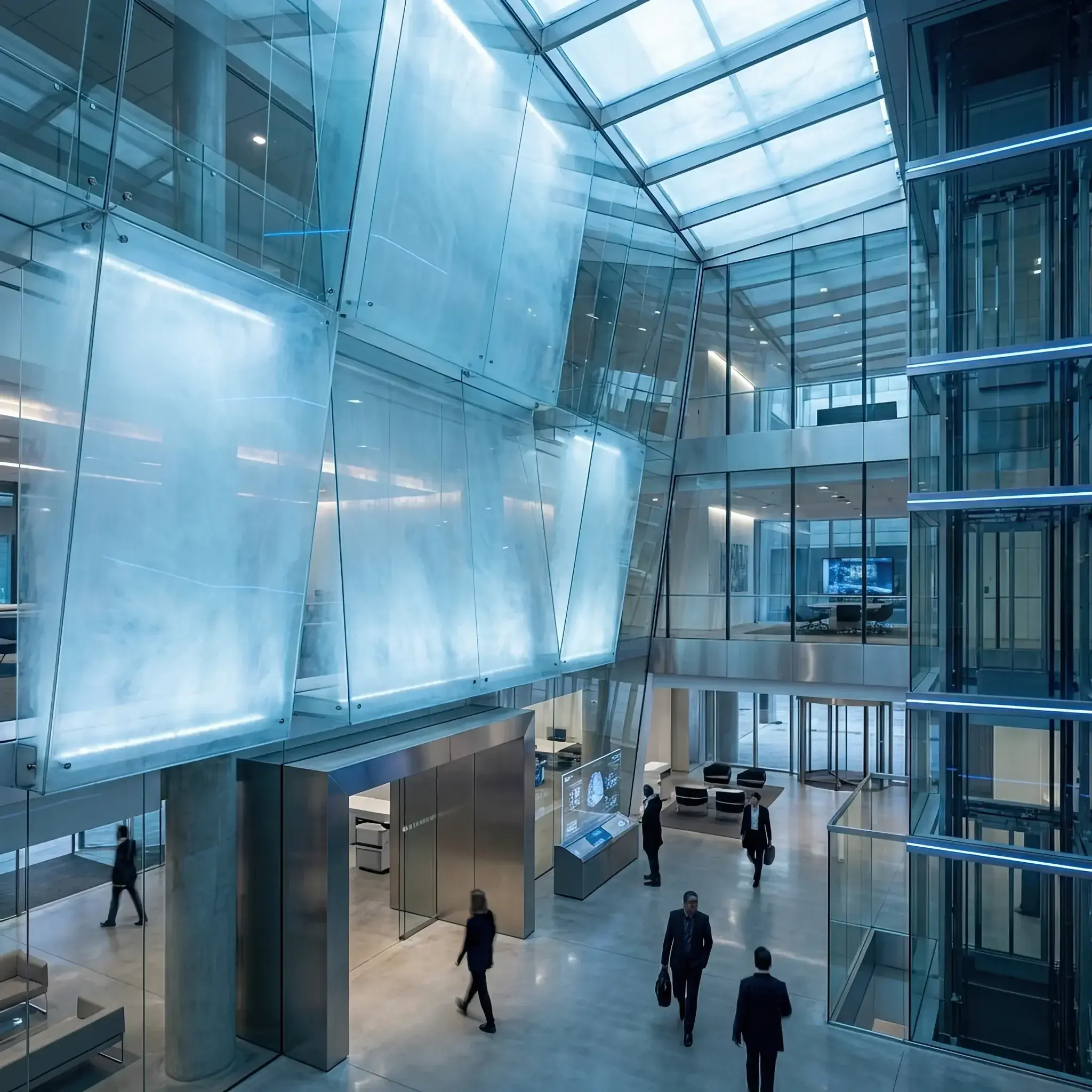
In 2026, energy saving isn't an option—it's the foundation of architecture. We present Aerogel, known as 'frozen smoke.' It's the lightest solid material in the world, consisting of 99.8% air. At Reception Space, we use aerogel to create ultra-thin and ultra-efficient insulation layers in lobby facades and interiors. This allows us to build fully transparent atriums that retain heat better than a brick wall. We examine how NASA nanotechnology became a standard for premium construction.
The Structure of a 'Ghost': Aerogel Physics
2026 aerogel is a gel structure where the liquid phase has been replaced by gas without destroying the nano-skeleton. This creates millions of microscopic pores that block air molecule movement, virtually stopping heat transfer. An aerogel layer only 10mm thick replaces 100mm of mineral wool. In a Reception Space lobby, this allows us to save usable area, making walls and partitions incredibly thin yet thermally impenetrable.
Transparent Thermal Protection: The Glass of the Future
Glazing with a nano-layer
We use transparent aerogel granules to fill the chambers of next-generation glazing units. This creates a soft matte light diffusion effect, completely eliminating heat loss through the glazing. During the day, the lobby is flooded with gentle, 'milky' light, while at night, the aerogel keeps heat inside, reducing heating system loads by 5 times. This is the ideal solution for panoramic facades in northern latitudes where every lumen and every kilowatt-hour counts.